





California's response to the COVID-19 pandemic was marked by a series of significant events, beginning with the declaration of a state of emergency. This timeline explores the key moments from the onset of the pandemic to the eventual lifting of the state of emergency. Understanding these events provides insight into how California navigated one of the most challenging periods in recent history.
Early Days and Initial Response
The COVID-19 pandemic in California began earlier than
in many other parts of the United States. The first confirmed case in the state was reported on January 26, 2020. This early detection was a precursor to the rapid spread of the virus, which prompted swift action from state officials. By March 4, 2020, Governor Gavin Newsom declared a state of emergency in response to the growing threat of COVID-19. This declaration was a critical step in mobilizing resources and implementing measures to protect public health.
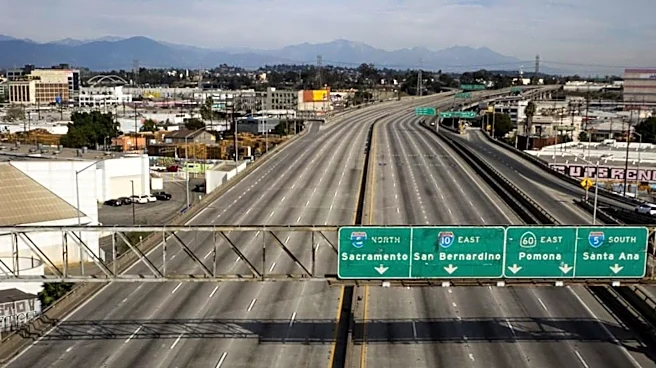
Following the state of emergency declaration, California issued a mandatory statewide stay-at-home order on March 19, 2020. This order was one of the first of its kind in the United States and aimed to curb the spread of the virus by limiting non-essential activities. The stay-at-home order remained in effect until January 25, 2021, when it was lifted as part of a phased reopening plan.
Managing the Crisis
Throughout the pandemic, California faced numerous challenges, including equipment shortages and the need for widespread testing and vaccination. The state worked to address these issues by securing personal protective equipment for healthcare workers and increasing hospital capacity. Additionally, California launched an extensive vaccination campaign, administering over 40 million doses by June 2021.
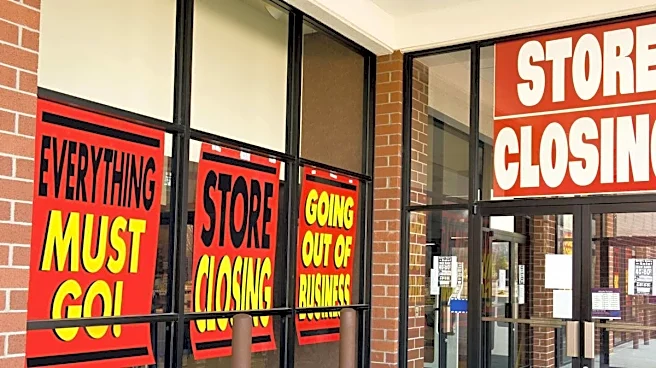
The state's efforts to manage the crisis were not without controversy. In 2021, a bipartisan effort emerged to recall Governor Newsom, driven by dissatisfaction with lockdown restrictions and their impact on small businesses. Despite this, Newsom retained his position with significant support from voters.
The End of the State of Emergency
As the situation improved, California began to transition towards endemic management of COVID-19. On April 6, 2021, the state announced plans to fully reopen the economy by June 15, 2021. This milestone marked a significant shift in the state's approach to the pandemic, focusing on long-term strategies for living with the virus.
The official end of California's COVID-19 state of emergency came on February 28, 2023. This decision reflected the progress made in controlling the virus and the state's readiness to move forward. The lifting of the state of emergency signaled a new chapter for California, as it continued to adapt to the ongoing challenges posed by COVID-19.