








In the ancient world, clothing served not only as protection from the elements but also as a canvas for social expression and practical utility. The chiton, a fundamental garment in ancient Greece and Rome, perfectly embodies this dual role. Made primarily from lightweight linen, its simple, draped design allowed for remarkable versatility, adapting to different genders, ages, social statuses, and activities. From its basic construction to its various
wearing styles, the chiton was a testament to the ingenuity of ancient attire, balancing comfort with cultural significance.
Material and Construction: The Linen Advantage
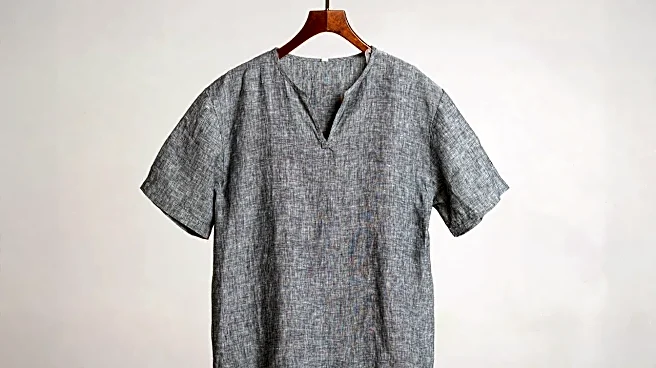
The chiton's primary material was linen, a choice deeply rooted in the etymology of its name, which traces back to words meaning "flax" or "linen." This material was particularly well-suited for the warm climates of ancient Greece and Rome. Linen is light, strong, and flexible, making it ideal for daily wear where abrasion and heat could otherwise damage clothing. While wool was also used for garments like the *peplos*, the chiton's lighter linen fabric distinguished it. Ancient Greek clothing was largely homemade, crafted from rectangular pieces of fabric with minimal cutting or sewing. Instead, garments were draped and secured with fasteners, pins, and belts, a method that made the chiton both simple to produce and adaptable to various body types.
The construction of the chiton involved a wide, rectangular tube of material, secured along the shoulders and lower arms. This basic form allowed for considerable flexibility in how it was worn. The ability to pull up excess fabric under a belt, creating a *kolpos* or blousing effect, was a practical feature that allowed wearers to adjust the garment's length. This simple adjustment could accommodate different heights or provide more freedom of movement when needed.
Adapting to Gender, Age, and Activity
The chiton was a unisex garment, worn by both men and women, though its length varied significantly between the sexes. Women's chitons consistently reached their ankles, providing full coverage. Men's chitons, on the other hand, typically extended to the knees, offering greater mobility. However, during the Archaic period, men also wore longer chitons, and certain occupations, such as priests and charioteers, as well as the elderly, continued to wear ankle-length versions even when shorter styles became fashionable for other men.
Beyond length, the chiton's adaptability extended to specific activities. Shorter chitons were sometimes worn by athletes, warriors, or slaves during vigorous activities, highlighting the garment's practical function in facilitating movement. The way the chiton was belted also contributed to its versatility. A large belt, or *zoster*, could be worn high under the breast or low around the waist, creating different silhouettes and levels of comfort. A narrower "zone" or girdle could also be used, and a double-girdled style was also known. This flexibility in wearing allowed the chiton to serve a wide range of functional and aesthetic purposes within ancient society.
The Chiton as an Undergarment and Outerwear
Often, the chiton served as an undergarment, forming the base layer of ancient Greek and Roman attire. It was frequently worn in combination with a heavier outer garment, such as the *himation*, which functioned as a cloak. This layering provided additional warmth or formality. However, the chiton could also be worn on its own, in which case it was referred to as a *monochiton*. This simpler style, without the *himation*, was common for everyday wear or in warmer conditions.
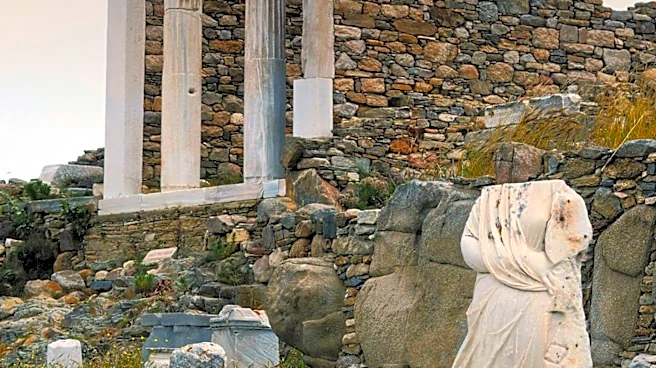
The chiton's design, with its potential for pleating and blousing, also allowed for a degree of elegance and visual interest despite its simplicity. Its presence in artistic depictions, such as on the caryatids of the Erechtheion and the Charioteer of Delphi, underscores its widespread acceptance and its role in defining the aesthetic of ancient dress. The chiton's enduring legacy lies in its ability to combine practical functionality with a timeless, adaptable design, making it a cornerstone of ancient fashion.