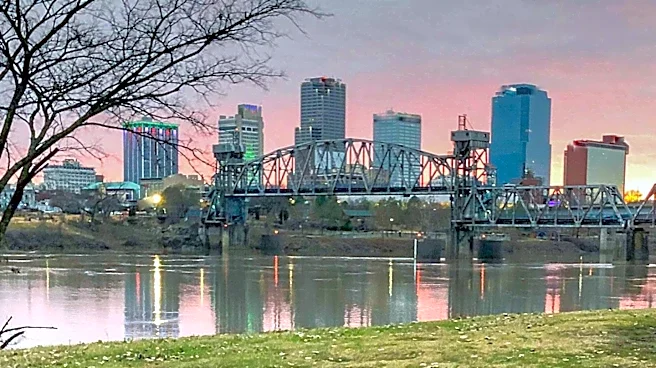





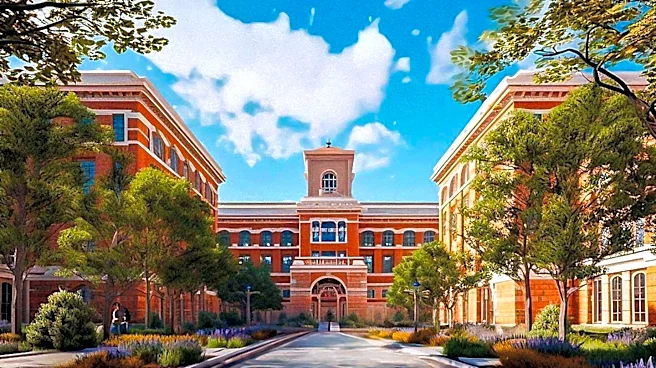

The establishment of the William J. Clinton Presidential Library and Museum, known as the Clinton Presidential Center, in Little Rock, Arkansas, marked a significant turning point for the city's economic landscape. Beyond its primary function as a presidential library and museum, the center acted as a powerful catalyst for urban revitalization and substantial economic growth. The decision to locate the complex in Little Rock initiated a wave of development
that profoundly reshaped the downtown area, attracting new businesses, residents, and visitors.
A Catalyst for Development
The announcement of the project's location immediately signaled a new era for the surrounding area. This anticipation quickly translated into tangible development, as numerous new businesses began to emerge. The influx of investment led to the establishment of a variety of commercial and residential properties, including hotels, restaurants, housing complexes, offices, and retail stores. This concentrated development created a vibrant new economic zone, drawing both local residents and tourists to the revitalized district.One of the most visible transformations occurred in the River Market district, a dining and retail area situated near the library. This district experienced a significant revival, directly attributable to the presence of the Clinton Presidential Center. The increased foot traffic and interest generated by the center provided the impetus for businesses to invest in and expand within this area, creating a dynamic urban environment that had not existed before.
Billions in New Investment
The economic impact of the Clinton Presidential Center extends far beyond the immediate vicinity of the complex. The center has spurred an estimated $2 billion in new projects across the surrounding parts of Little Rock. This substantial investment reflects a broad confidence in the area's future, driven by the center's presence. A significant portion of this investment, over $1 billion, has been directed towards new real estate in downtown Little Rock, indicating a long-term commitment to urban development and growth.This level of investment has not only created new jobs and opportunities but has also enhanced the overall appeal and infrastructure of the city. The world headquarters of Heifer International, for example, is now located just beyond the library, further solidifying the area as a hub for significant organizations. This clustering of institutions and businesses creates a synergistic effect, where each new development contributes to the overall economic vitality of the region.
Visitor Engagement and Community Outreach
Since its grand opening in November 2004, the Clinton Presidential Library has welcomed over 1.64 million visitors. This consistent flow of visitors translates into direct economic benefits for local businesses, from hospitality to retail. In its first year alone (November 2004 – 2005), the museum attracted approximately 500,000 visitors, demonstrating its immediate appeal as a major tourist destination. Even years later, visitor numbers remained strong, with 302,583 visitors in 2009 and 273,108 in 2008.Beyond tourism, the center also plays a role in community engagement through its student outreach programs. It offers free admission to school groups, homeschool groups, and other school personnel who make reservations. Additionally, the center provides four free-admission days annually, coinciding with Presidents' Day, the Fourth of July, President Clinton's birthday, and the anniversary of the Clinton Center's grand opening. These initiatives not only foster educational opportunities but also ensure broader community access to the historical and cultural resources housed within the center, further integrating it into the fabric of Little Rock.