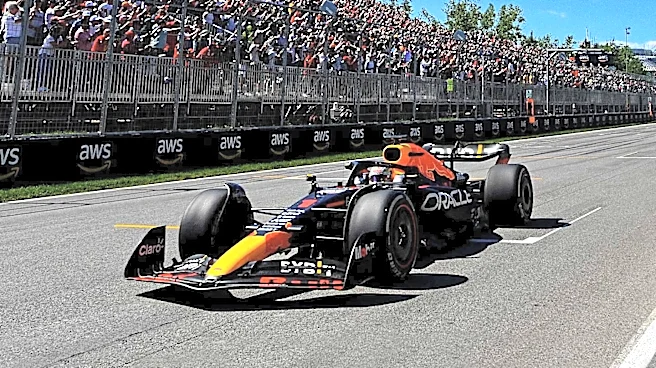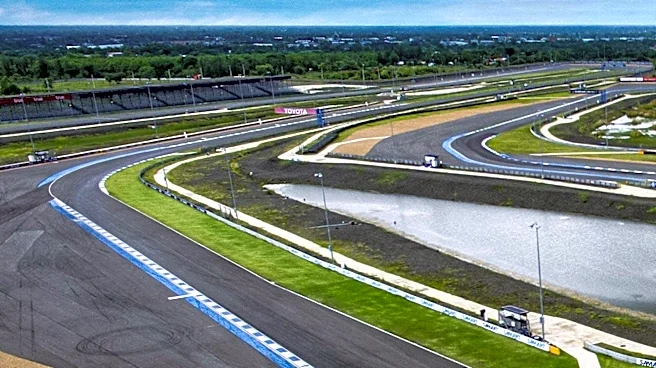








The Albert Park Circuit in Melbourne, Australia, stands out as a unique motorsport venue due to its dual nature: it functions as a world-class racing circuit for a limited time each year, and for the majority of the year, it reverts to public roads accessible to everyday traffic. This transformation from a high-speed Formula One track to a serene lakeside drive highlights the intricate planning and temporary infrastructure required to host major international
events within an urban park setting.
From Public Roads to Grand Prix Circuit
The circuit utilizes everyday sections of road that encircle Albert Park Lake, a man-altered body of water just south of Melbourne's Central Business District. These road sections were specifically rebuilt before the inaugural Grand Prix event in 1996 to ensure a consistent and smooth surface, a quality that makes the Albert Park track relatively smooth compared to other public road circuits. This meticulous preparation allows the circuit to meet the stringent requirements of an FIA Grade 1 license, necessary for hosting Formula One races.
Each year, the transformation is a massive undertaking. Most of the trackside fencing, pedestrian overpasses, grandstands, and other essential motorsport infrastructure are erected approximately three months before the Grand Prix weekend. Following the event, this extensive infrastructure is removed within nine weeks. During this entire construction, race, and dismantle period, access to the land around the circuit, which includes an aquatic center, a golf course, a stadium, restaurants, and rowing boathouses, is restricted. This temporary nature, while facilitating a major international event, has historically led to dissent among nearby residents and users of these facilities, with some maintaining a silent protest against the event.
Everyday Access and Unique Features
For the nine months of the year when the track is not being prepared for or hosting the Grand Prix, most of the circuit is open to ordinary street-registered vehicles. Drivers can navigate these roads either clockwise or anti-clockwise, experiencing a version of the track at a much slower pace. However, certain sections differ significantly from the race configuration. For instance, between turns 3, 4, and 5, and then 5 and 6, the layout changes, with turn 4 replaced by a car park access road and the road between turns 5 and 6 blocked.
Traffic flow is managed by lights, with one set located between turns 12 and 13 to accommodate drivers using Queens Road. The chicanes at turns 11 and 12 are considerably more open than during the Grand Prix, utilizing escape roads. The speed limit for road cars is generally 40 km/h (25 mph), with some short sections allowing 50 km/h (31 mph), which is still significantly slower than an F1 car even under pit lane speed restrictions. The back of the track, known as Lakeside Drive, features double lines separating two-way traffic and short road islands, making overtaking illegal. A unique aspect of the everyday circuit is the presence of black swans, which live and breed in Albert Park and frequently cross the road, sometimes with their cygnets, causing traffic delays. Approximately 80% of the track edge is lined with short parkland-style chain-linked fencing, offering less room for error for normal drivers compared to the F1 drivers during race weekend.