









Affirmative action has been a contentious issue in the United States, sparking debates about equality, fairness, and the role of race in society. While intended to address historical discrimination and promote diversity, affirmative action policies have faced criticism and legal challenges. This article delves into the controversies and debates that have shaped the discourse on affirmative action.
Arguments in Favor of Affirmative Action
Proponents of affirmative action argue that these policies
are necessary to level the playing field for historically marginalized groups. They contend that affirmative action helps to counteract the effects of systemic discrimination and provides opportunities for racial minorities and women who have been historically excluded from certain sectors.
Supporters also highlight the benefits of diversity in educational and workplace settings. They argue that a diverse environment fosters a richer exchange of ideas and perspectives, which can enhance learning and innovation. Studies have shown that diversity can lead to better educational outcomes and prepare students for a multicultural society.
Criticisms and Legal Challenges
Critics of affirmative action argue that these policies amount to reverse discrimination, unfairly favoring certain groups over others based on race or gender. They claim that affirmative action undermines the principle of meritocracy by prioritizing characteristics unrelated to individual qualifications or achievements.
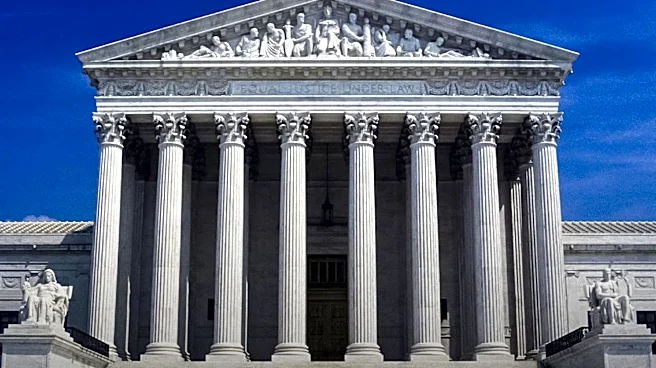
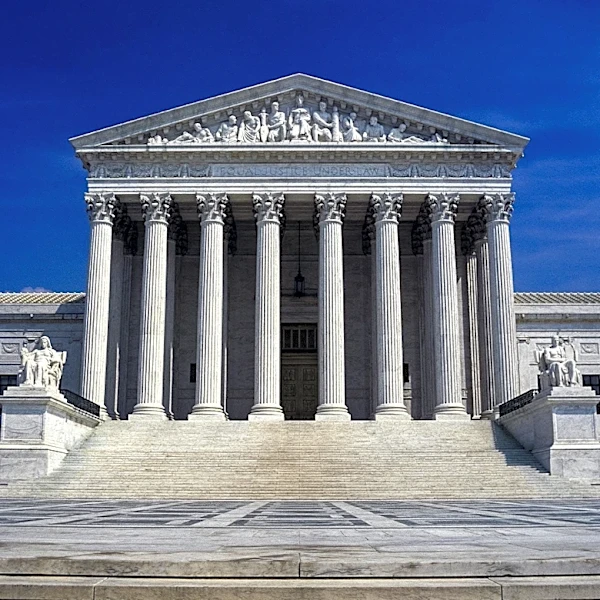
Legal challenges have been a significant aspect of the affirmative action debate. The Supreme Court's decision in Regents of the University of California v. Bakke in 1978 was a landmark case that addressed the constitutionality of race-based admissions policies. While the Court upheld the use of race as a factor, it struck down the use of racial quotas, highlighting the tension between diversity goals and concerns about fairness.
The Future of Affirmative Action
The future of affirmative action remains uncertain, as legal and political challenges continue to shape its trajectory. In recent years, several states have enacted bans on race-based preferences in public education and employment, reflecting a shift toward race-neutral policies.
The 2023 Supreme Court decision in Students for Fair Admissions v. Harvard marked a significant turning point by banning affirmative action in college admissions nationwide. This ruling has sparked renewed debates about the role of race in achieving diversity and the potential impact on minority representation in higher education.
As the nation grapples with issues of equity and representation, the debate over affirmative action is likely to persist. While some view these policies as essential for promoting diversity and addressing historical injustices, others see them as outdated and unfair. The challenge lies in finding a balance that ensures equal opportunity while respecting the principles of fairness and merit.