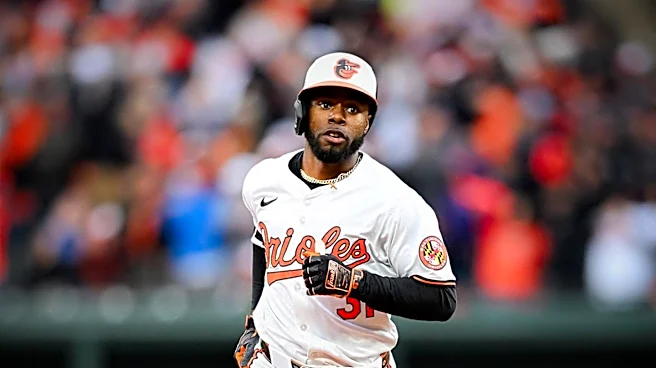



The 1902 Baltimore Orioles season was a dramatic chapter in the history of Major League Baseball. As a charter member of the American League, the Orioles faced a series of challenges that ultimately led to their dissolution. This article explores the key events and decisions that shaped the Orioles' fate during this tumultuous season.
Early Season Optimism
At the start of the 1902 season, the Baltimore Orioles were seen as potential contenders in the American League. The
team had acquired several notable players from the National League, including Joe Kelley, Jimmy Sheckard, and Kip Selbach. These acquisitions bolstered the Orioles' roster and raised expectations for a successful season.
The Orioles drew over 10,000 fans on Opening Day, reflecting the high hopes surrounding the team. However, the optimism was short-lived as internal conflicts and management issues began to surface. The team's performance on the field did not meet expectations, and they struggled to maintain a winning record.
Internal Conflicts and Management Changes
One of the major challenges faced by the Orioles in 1902 was the ongoing feud between manager John McGraw and American League president Ban Johnson. This conflict led to several players, including McGraw himself, being suspended by midseason. The tensions reached a breaking point in early July when McGraw resigned and joined the New York Giants.
Following McGraw's departure, Wilbert Robinson took over as manager. The ownership of the team also changed hands, with Andrew Freedman and John T. Brush acquiring the Orioles. This change in ownership led to a raid on the Orioles' roster, with several key players being released to join the Giants and Reds.
The End of an Era
The 1902 season ended with the Orioles finishing last in the American League with a 50-88 record. The team's struggles on the field, combined with management instability and player departures, made it difficult for them to compete effectively. As a result, the Orioles folded after the season.
The dissolution of the Orioles marked the end of their brief tenure in Baltimore. The team was replaced by the New York Highlanders, who would later become the New York Yankees. The 1902 season serves as a reminder of the challenges faced by early baseball teams and the impact of management decisions on a team's success.