





The 1936 Major League Baseball All-Star Game was a significant event in the history of Braves Field, marking the fourth All-Star Game ever played. Held on July 7, 1936, this game was a showcase of talent, featuring over 20 future Hall of Fame members. With 25,566 fans in attendance, the game was a thrilling contest that saw the National League triumph over the American League with a close score of 4-3.
The Setting: Braves Field
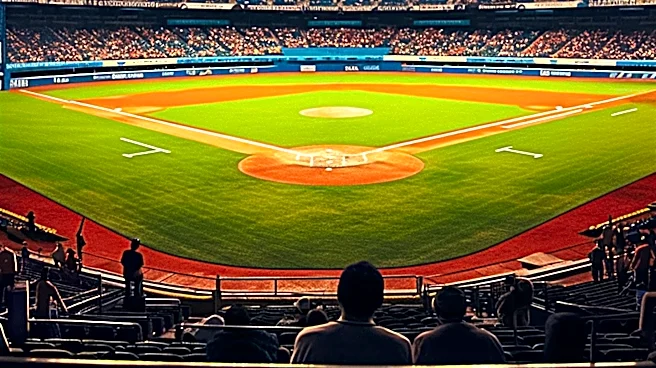
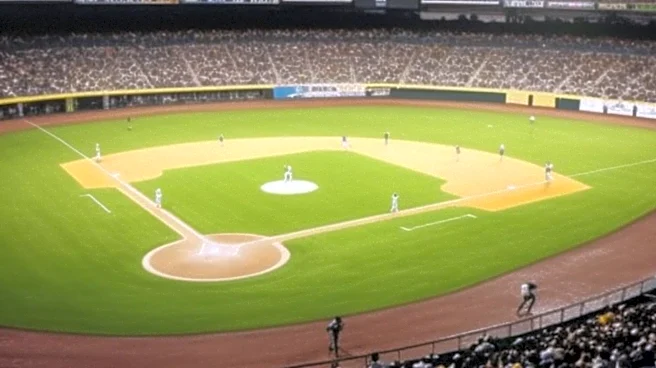
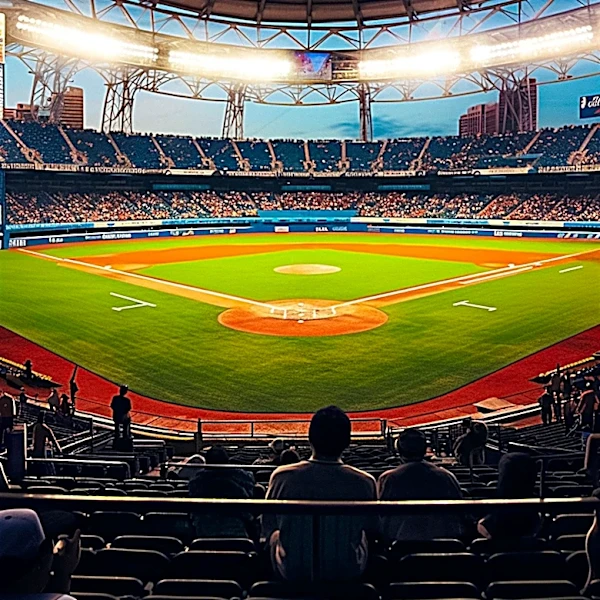
Braves Field, located in Boston, was the venue
for the 1936 All-Star Game. Known for its large seating capacity, Braves Field could accommodate up to 46,500 spectators during the years 1928 to 1936. This made it an ideal location for hosting such a prestigious event. The field's dimensions were unique, with the center field measuring 426 feet in 1936, providing a challenging environment for hitters and pitchers alike.
The ballpark was a significant part of Boston's sports culture, having been the home of the Boston Braves since 1915. Its large capacity and distinctive features made it a memorable place for fans and players, contributing to the excitement and atmosphere of the All-Star Game.
The Game: National League vs. American League
The 1936 All-Star Game was a closely contested battle between the National League and the American League. The National League emerged victorious with a 4-3 win, showcasing the talent and competitive spirit of the players. This game was notable for featuring over 20 future Hall of Fame members, highlighting the caliber of athletes participating.
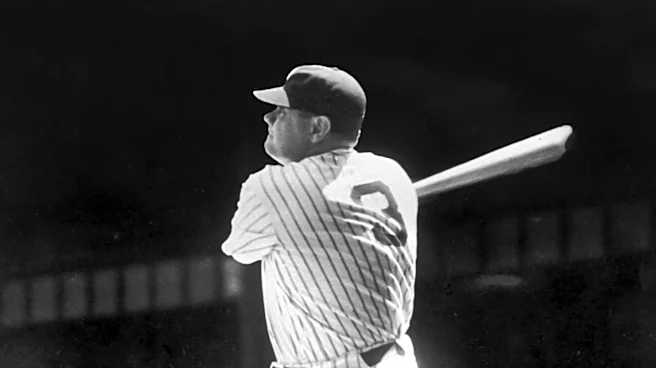
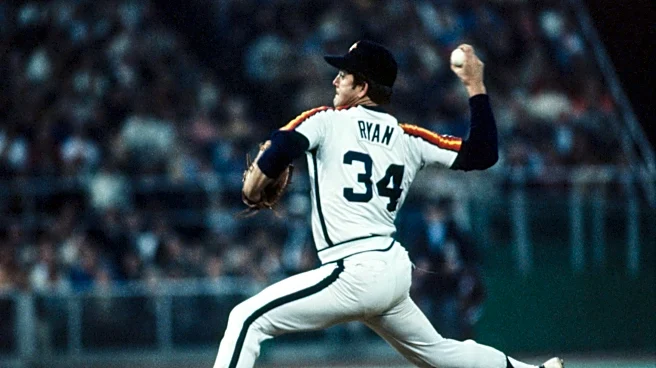
The All-Star Game provided fans with the opportunity to see some of the best players in baseball compete on the same field. The presence of so many future Hall of Famers added to the prestige and excitement of the event, making it a memorable occasion for all in attendance.
Legacy and Impact
The 1936 All-Star Game at Braves Field left a lasting impact on the history of Major League Baseball. It was a testament to the popularity and growth of the sport, drawing a large crowd and featuring some of the most talented players of the era. The game's close score and competitive nature demonstrated the high level of play and the passion of the athletes involved.
Braves Field itself continued to be an important venue in Boston's sports landscape until its eventual demolition and replacement by Nickerson Field. The legacy of the 1936 All-Star Game lives on as a reminder of the rich history and tradition of baseball in Boston and the significance of Braves Field in that narrative.