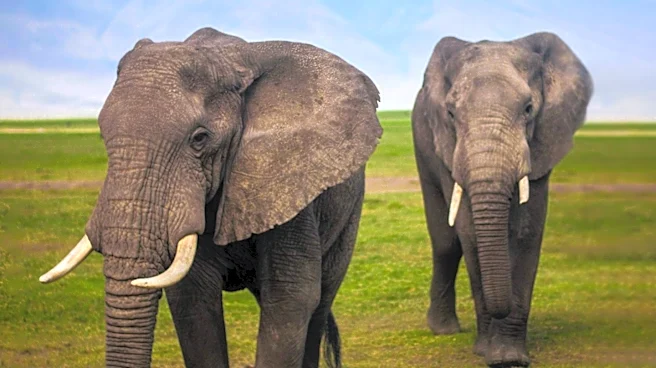







For countless eons, the vast, rolling plains of the Serengeti were a domain where African wildlife roamed freely, with human presence being sparse. This dynamic began to shift in the early 1800s with the migration of nomadic Maasai pastoralists into the area. However, the Maasai faced immense challenges, including severe drought and disease. The 1880s saw a devastating cholera epidemic, and in 1892, smallpox further decimated their population. Compounding
these tragedies, their cattle, which were central to their way of life, were wiped out by Rinderpest, a bovine viral disease. Later in the 20th century, the Tanzanian government undertook the resettlement of the Maasai around the Ngorongoro Crater, marking a significant change in human settlement patterns within the region.
Ecological Shifts and Recovery
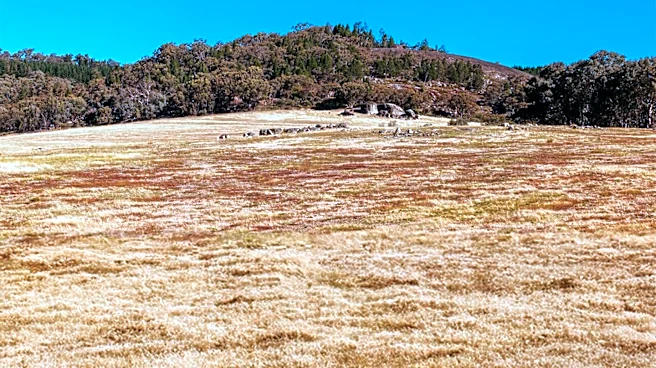
The reduction in human presence, particularly the Maasai, and the absence of fires that they once caused, led to notable ecological changes. Over the next 30 to 50 years, dense woodlands and thickets began to develop across the Serengeti. This altered environment also saw an increase in tsetse fly populations, which in turn acted as a natural barrier, preventing any significant human settlement in the affected areas. By the mid-1970s, the populations of wildebeest and Cape buffalo had recovered substantially. Their increased grazing activities played a crucial role in cropping the grass, thereby reducing the amount of fuel available for wildfires. This natural reduction in fire intensity subsequently allowed acacia trees to re-establish themselves, demonstrating the complex interplay between human activity, wildlife populations, and the natural landscape.
Modern Conservation and Health Initiatives
In the 21st century, conservation efforts in the Serengeti have expanded to include public health initiatives that also benefit wildlife. Mass rabies vaccination programs for domestic dogs in the region have had a dual positive impact. These programs have not only indirectly prevented hundreds of human deaths by controlling the spread of the disease but have also provided crucial protection for vulnerable wildlife species. Among these beneficiaries is the endangered African wild dog, highlighting how integrated approaches to health and conservation can yield significant results for both human communities and biodiversity. These efforts underscore the ongoing commitment to preserving the Serengeti's unique ecosystem.
Legal Protection and Environmental Challenges
The Serengeti region benefits from extensive legal protection, with the governments of Tanzania and Kenya maintaining numerous protected areas. These include national parks, conservation areas, and game reserves, which collectively safeguard over 80 percent of the Serengeti's land. Despite these robust protective measures, the ecosystem continues to face environmental challenges. Human encroachment remains a significant threat, and as a result, the Serengeti ecosystem is now estimated to be only 60 percent of its original size. This statistic serves as a stark reminder of the persistent pressures on this vital natural wonder, even with dedicated conservation efforts in place.