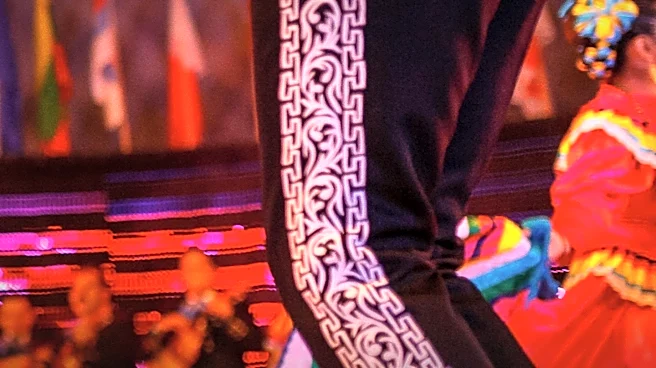











Clog dancing is a vibrant and rhythmic tradition that has captivated audiences across cultures for centuries. Characterized by the distinctive sound of wooden soles striking the floor, clog dancing has evolved into various forms, each with its unique style and cultural significance. From the slate mines of Wales to the music halls of Victorian England, clog dancing has left an indelible mark on the world of dance.
Origins and Regional Variations
The origins of clog dancing can be
traced back to the industrial regions of Wales and Northern England. In Wales, the tradition began in slate mines, where workers would compete during breaks, showcasing their skills through intricate footwork. This competitive spirit fostered a unique style of dance that emphasized athleticism and precision.
In Northern England, clog dancing developed in areas like Lancashire and Yorkshire, where it became a popular form of entertainment. The dance was often performed casually in homes, pubs, and streets, with dancers creating complex rhythms using their feet. The style varied across regions, with some focusing on precise heel beats and others on flamboyant movements.
Cultural Impact and Competitions
Clog dancing gained popularity in the 1800s, with competitions offering substantial prizes. These events were seen as a type of sport, attracting both male and female dancers who performed in identifiable colors. The competitive nature of clog dancing led to the development of new steps and tricks, further enriching the tradition.
In Wales, clog dancing remains an integral part of the eisteddfod tradition, with competitions held at local and national levels. These events showcase both solo and group performances, allowing dancers to demonstrate their skills and creativity. The dynamic nature of Welsh clog dancing, with its emphasis on athletic tricks, sets it apart from other styles.
Influence on Other Dance Forms
Clog dancing has significantly influenced other dance forms, most notably tap dance. In the United States, clogging evolved from traditional English and Welsh dances, incorporating elements from African American and Cherokee step dances. This fusion of styles contributed to the development of tap dance, which shares the rhythmic emphasis of clog dancing.
The impact of clog dancing extends beyond its traditional roots, influencing modern dance and music. Its distinctive sound and energetic movements continue to inspire dancers and choreographers, ensuring that the tradition remains alive and relevant. As clog dancing evolves, it continues to celebrate the rich cultural heritage and rhythmic artistry that define this unique form of expression.