





Artificial nails, also known by various names such as fake nails, false nails, acrylic nails, press-ons, gel nails, or nail enhancements, serve primarily as fashion accessories. These extensions are placed over natural fingernails, with many designs aiming to mimic the appearance of real nails as closely as possible, while others embrace a more artistic and deliberate aesthetic. The world of artificial nails offers a wide array of choices, each with distinct
application methods, durability, and removal processes, catering to diverse preferences and needs. Understanding these differences is key to appreciating the versatility and complexity of nail enhancements.
Diverse Approaches to Artificial Nail Creation
There are two primary methods for creating artificial nails: using tips or forms. A tip is a pre-shaped, heavyweight plastic plate that is either glued onto the end of the natural nail or, in the case of full-cover tips or "press-ons," glued over the entire nail bed. Once applied, gel, dip powder, or acrylic can be added on top to create the desired enhancement. Forms, on the other hand, are shaped sheets with a sticky edge that are attached to the fingertip and wrapped around the natural nail to create an extension. This method offers greater creative control over the final shape of the artificial nail, allowing for more customized designs.
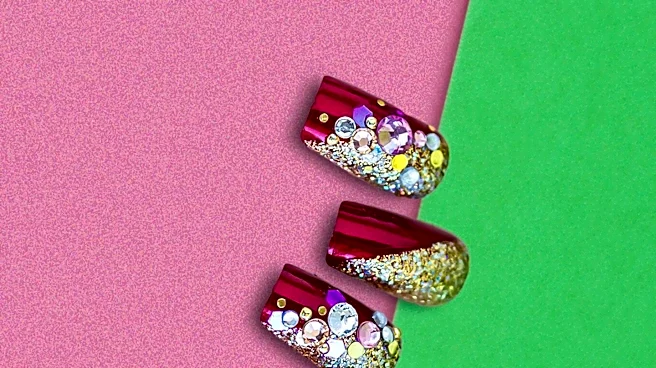
After the base structure is established with either tips or forms, materials such as acrylic, hard gel, or a combination of both are applied. Artificial nails can be customized with various designs, from solid colors resembling gel or regular nail polish to intricate graphic designs like animal prints and metallic finishes. Embellishments such as rhinestones, glitter, stickers, fimo charms, and striping tape can further enhance the design. The nails can also be shaped, cut, and filed into numerous styles, including square, squared oval (squoval), rounded, almond, ballerina/coffin, mountain peak, lipstick, and stiletto.
Specific Types of Artificial Nails
Acrylic nails are crafted from acrylic glass, typically using polymer beads synthesized from ethyl methacrylate (poly-EMA) mixed with a liquid monomer, usually ethyl methacrylate with an inhibitor. This mixture forms a malleable bead that cures into a solid state within minutes. Acrylic nails can last up to 21 days and can be extended with touch-ups. Gel polish, nail polish, and dip powders can be applied to acrylics for color. It's important to note that methyl methacrylate (MMA) liquid monomers are strongly discouraged and banned in some states due to potential damage to natural nails, asthma, irritated eyes, skin, nose, and mouth, difficulty concentrating, loss of smell, and kidney issues. Ethyl methacrylate (EMA) is a suitable and safer alternative for salon use.
Gel nails, another popular type, are created using a gel cured under UV light. They are durable and offer complex design possibilities, similar to acrylics, but can be more expensive. Some gel nails are not dissolved by acetone and require buffing and filing for removal, which can thin the nail plate. However, newer soft gel tips, like Gel-X, are designed to dissolve in acetone for removal. Nail wraps, made from materials like fiberglass, linen, or silk fabric, are cut to fit the nail surface and sealed with resin or glue. They provide strength and can fix broken nails but are not used for lengthening. They typically last 5–7 days and are removed by soaking in acetone. Nail tips, made of acrylonitrile butadiene styrene (ABS), are attached to extend length and provide a canvas for designs, lasting 7–10 days. Soft gel tips are also available for stronger applications where tips are the sole extension.
Maintenance and Health Considerations
Artificial nails require regular upkeep, with recommendations for maintenance every two weeks, given that human fingernails grow approximately 3.47 mm per month. While they can last over a month, consistent care helps maintain their appearance and integrity. Improper application of any gel nail product, including soft gel tips, polygel, gel polish, and builder gel, can lead to fungal infections and allergic reactions. The use of appropriate products and techniques is crucial for both aesthetic results and nail health. The variety of artificial nail types ensures that individuals can find an option that suits their style, lifestyle, and maintenance preferences.