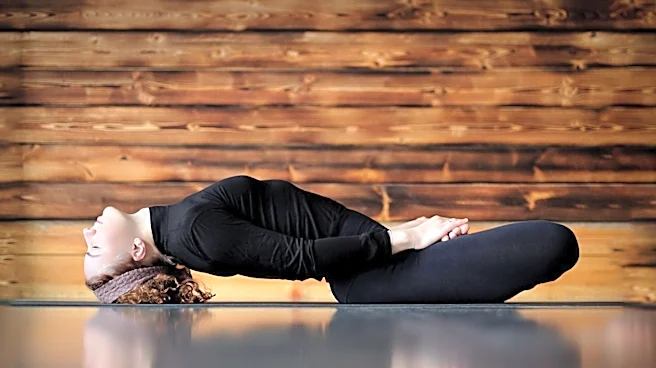

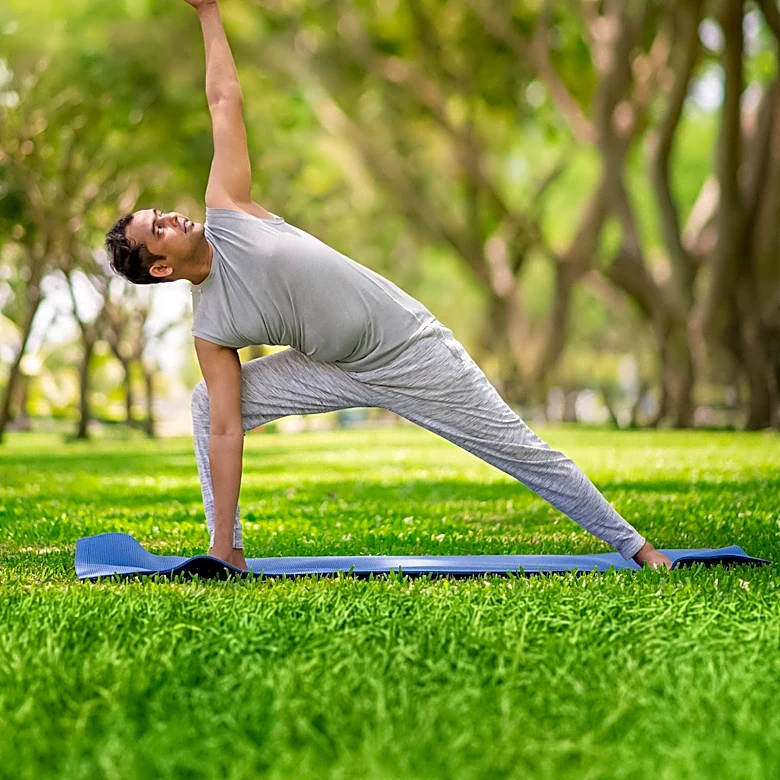
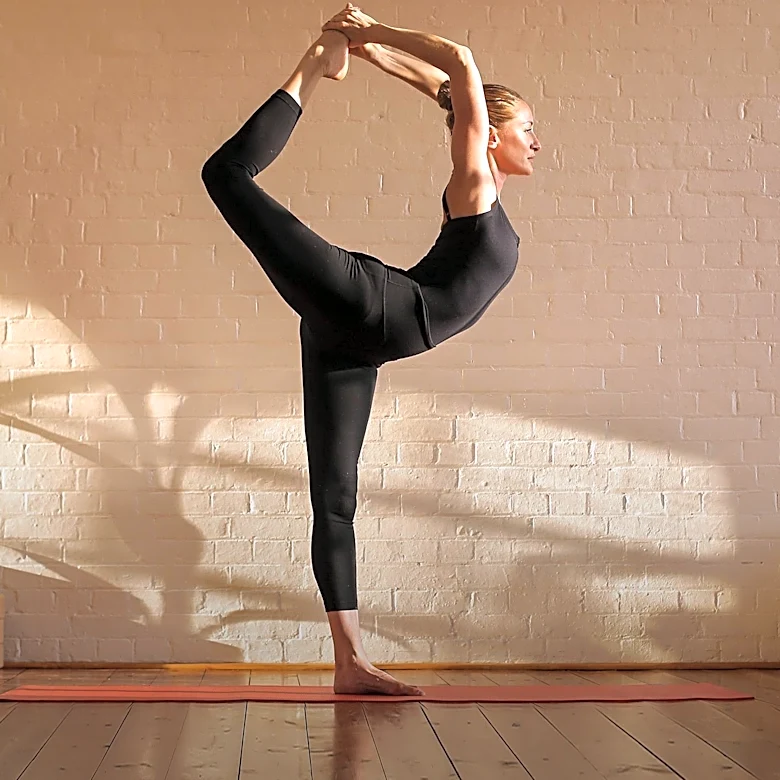





Supta Padangusthasana is a yoga pose that combines elements of balance, flexibility, and focus. Known as the Reclining Hand-to-Big-Toe Pose, it is a seated balancing asana that involves extending one leg forward while the other leg is bent. The practitioner holds the big toe of the extended leg with the hand, creating a posture that challenges both the body and the mind. This article delves into the structure of Supta Padangusthasana and its significance
in yoga practice.
The Structure of Supta Padangusthasana
Supta Padangusthasana is characterized by its unique combination of extension and balance. The pose begins with the practitioner seated, one leg extended forward and the other bent. The hand on the same side as the extended leg reaches forward to grasp the big toe, creating a stretch that engages the muscles of the leg and the core. This posture requires a delicate balance, as the practitioner must maintain stability while holding the toe.
The pose is not only about physical balance but also about mental focus. Holding the big toe requires concentration and a steady gaze, which helps to center the mind. This aspect of the pose makes it a valuable addition to any yoga practice, as it encourages mindfulness and presence.
The Role of Supta Padangusthasana in Yoga Practice
Supta Padangusthasana is more than just a physical exercise; it is a tool for developing mental clarity and focus. By requiring the practitioner to balance and stretch simultaneously, the pose fosters a sense of calm and concentration. This makes it an excellent choice for those looking to enhance their yoga practice with a pose that challenges both body and mind.
Incorporating Supta Padangusthasana into a yoga routine can help improve flexibility, particularly in the hamstrings and hips. The pose also strengthens the core muscles, as maintaining balance requires engagement of the abdominal muscles. This dual benefit of flexibility and strength makes Supta Padangusthasana a well-rounded addition to any yoga sequence.
The Benefits of Practicing Supta Padangusthasana
Practicing Supta Padangusthasana regularly can lead to a variety of benefits. Physically, it enhances flexibility in the legs and hips, which can improve overall mobility. The pose also strengthens the core, contributing to better posture and stability in other yoga poses.
Mentally, Supta Padangusthasana promotes focus and mindfulness. The act of balancing while holding the toe requires concentration, which can help clear the mind and reduce stress. This mental clarity can extend beyond the yoga mat, aiding in daily life by improving focus and reducing anxiety.
In conclusion, Supta Padangusthasana is a valuable pose in the practice of yoga. Its combination of physical and mental challenges makes it a beneficial addition to any routine, offering improvements in flexibility, strength, and focus. Whether practiced alone or as part of a larger sequence, Supta Padangusthasana provides a holistic approach to enhancing both body and mind.