





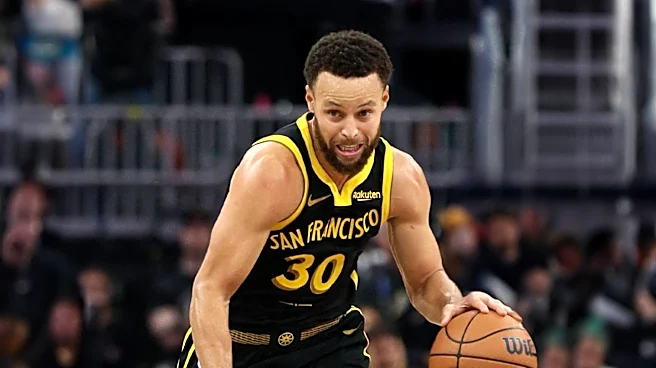

Stephen Curry, a prominent figure in the NBA, faced a particularly challenging period between the 2019 and 2021 seasons, marked by significant injuries and substantial shifts within his team, the Golden State Warriors. This era tested his resilience and leadership as he navigated personal health setbacks while the team underwent a major roster transformation. The expectations placed upon Curry intensified during this time, especially with key teammates
sidelined or having departed, forcing him to shoulder an even greater offensive burden. His journey through this period illustrates the demanding nature of professional basketball and the personal toll it can take on even the most accomplished athletes.
The Onset of Injury and Its Immediate Impact
The 2019–20 season began with heightened expectations for Stephen Curry, as he was anticipated to take on a more substantial offensive role. This was largely due to the absence of Klay Thompson, who was out with an injury, and the departure of Kevin Durant, who had left the Warriors as a free agent. However, just four games into the season, on October 30, 2019, Curry suffered a significant injury during a game against the Phoenix Suns. While driving to the basket, he collided with the Suns' Aron Baynes, who was attempting to draw a charge. Baynes subsequently fell on Curry's left hand, resulting in a broken second metacarpal.
This injury necessitated surgery, and the initial prognosis indicated that Curry would be sidelined for at least three months. The timing was particularly unfortunate, as it occurred early in a season where his offensive contributions were more critical than ever for the Warriors. His absence left a considerable void in the team's lineup, further complicating their efforts to compete in a challenging NBA landscape. The injury marked a significant personal setback for Curry and a major blow to the team's aspirations for the season.
The Road to Recovery and Return to Play
Following his surgery, Stephen Curry embarked on a recovery process that kept him off the court for an extended period. The three-month recovery timeline meant he missed a substantial portion of the 2019–20 NBA season. During this time, the Warriors continued to navigate the season without their star player, facing considerable challenges in maintaining competitiveness. Curry's rehabilitation focused on healing his broken second metacarpal and regaining full strength and mobility in his left hand, a crucial asset for his shooting and ball-handling.
His eventual return to action came on March 5, 2020, in a game against the Toronto Raptors. In his comeback game, Curry demonstrated his enduring skill, recording 23 points, six rebounds, and seven assists. Despite his strong individual performance, the Warriors ultimately lost the game to the Raptors with a final score of 121–113. This return marked a significant milestone in his recovery, signaling his readiness to rejoin his team on the court and contribute to their efforts, even as the season presented ongoing difficulties for the franchise.
Navigating a Transformed Team Landscape
The period between 2019 and 2021 was not only defined by Stephen Curry's personal injury but also by a broader transformation within the Golden State Warriors. The departures and injuries of key players meant that the team dynamic was significantly altered. Curry, as the remaining cornerstone, was tasked with leading a team that was in a transitional phase. The increased offensive load he was expected to carry at the start of the 2019-20 season underscored his importance, and his injury further highlighted the team's reliance on his presence.
His return in March 2020, though impactful, occurred in a season that was already challenging for the Warriors. The team was adjusting to new lineups and roles, and Curry's reintegration was part of a larger effort to rebuild and re-establish their competitive edge. This era showcased Curry's leadership beyond just his scoring, as he worked to elevate his teammates and guide the franchise through a period of significant change and adversity, setting the stage for future seasons.