




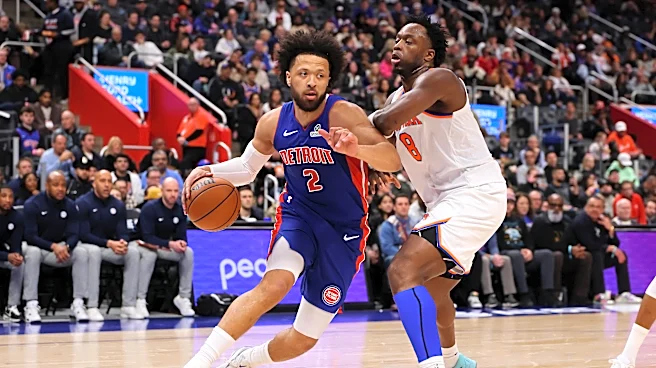

The introduction of the shot clock in basketball marked a pivotal moment in the sport's history, transforming games from slow, defensive stalemates into dynamic, high-scoring spectacles. Conceived in the mid-20th century, this innovative rule was designed to combat stalling tactics and inject excitement back into the game, ultimately increasing fan interest and shaping modern basketball as we know it. Its adoption across various leagues, from professional
to collegiate levels, underscores its profound and lasting impact.
The Genesis of a Game-Changer
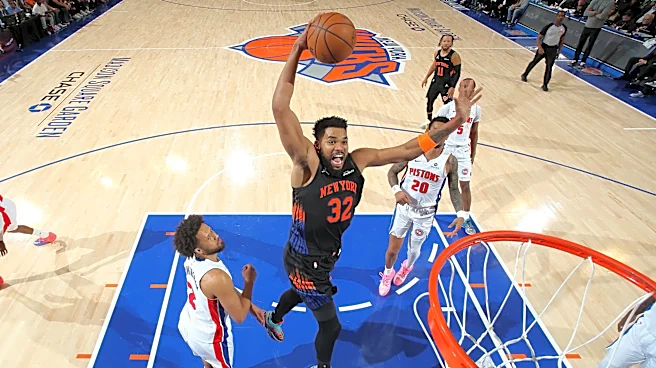
Before the shot clock, basketball games, particularly in the NBA, were often characterized by low scores and frequent fouls. Teams that gained a lead would commonly resort to stalling, passing the ball incessantly to run out the clock, which led to low-energy and defensive standoffs. The trailing team's only recourse was often to commit fouls to regain possession, resulting in a frustrating experience for fans. A notorious example occurred on November 22, 1950, when the Fort Wayne Pistons defeated the Minneapolis Lakers by an astonishingly low score of 19–18, with the Pistons attempting only 13 shots for the entire game to neutralize the Lakers' dominant player, George Mikan. This kind of play prompted the St. Paul Dispatch to declare that the Pistons had given "pro basketball a great black eye." Even NBA President Maurice Podoloff acknowledged the issue, stating that with the league's stars, big scores were a necessity.
This dire situation spurred innovation. In 1954, in Syracuse, New York, Syracuse Nationals owner Danny Biasone and general manager Leo Ferris began experimenting with a 24-second shot clock during a scrimmage. Biasone's inspiration came from analyzing box scores of enjoyable games where teams didn't stall. He observed that each team typically took about 60 shots, totaling 120 shots per game. By dividing the 2,880 seconds in a 48-minute game by 120 shots, he arrived at the 24-second figure. Ferris, often seen scribbling potential shot clock formulas on napkins, was instrumental in pushing for the rule. Together, Biasone and Ferris successfully convinced the NBA to adopt the 24-second shot clock for the 1954–55 season, a season in which the Nationals went on to win the NBA Championship.
Evolution and Widespread Adoption
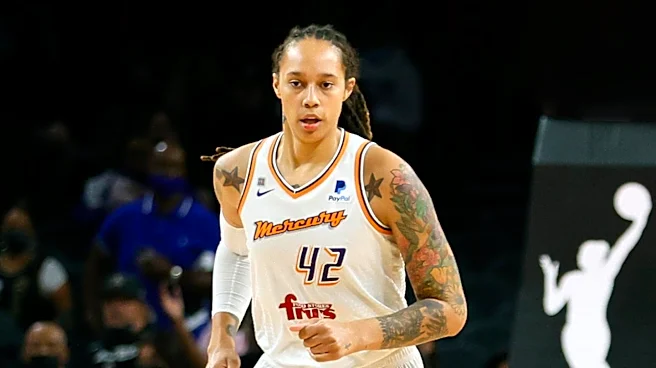
The NBA's 24-second limit, established in 1954, proved to be a success, significantly increasing scoring and fan engagement. Following the NBA's lead, other basketball organizations gradually integrated shot clocks into their rules. FIBA, the international governing body for basketball, introduced a 30-second shot clock in 1956, later aligning with the NBA by switching to 24 seconds in 2000. The Women's National Basketball Association (WNBA) also initially used a 30-second clock before transitioning to 24 seconds in 2006.
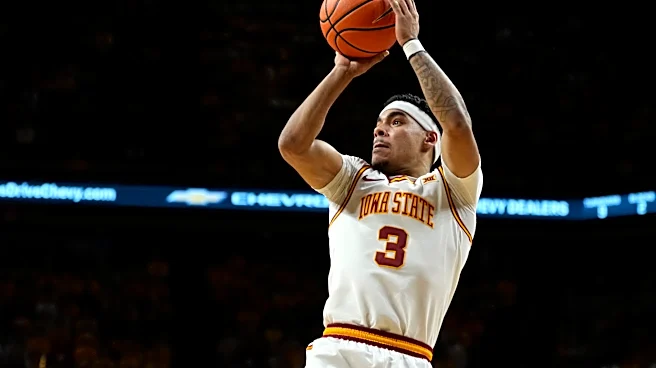
Collegiate basketball in the U.S. adopted a 30-second shot clock, though its implementation faced initial resistance, particularly in men's NCAA basketball. Concerns were raised that smaller colleges might struggle to compete with powerhouses in a faster-paced game. However, extreme low-scoring games, such as an 11–6 Tennessee win over Temple in 1973, helped build support for a men's shot clock. The NCAA introduced a 45-second shot clock for the 1985–86 season, which was later reduced to 35 seconds in 1993–94, and finally to 30 seconds in 2015–16. Women's collegiate basketball had an earlier start, experimenting with a 30-second shot clock in 1969–70 and officially adopting it for the 1970–71 season. The National Association of Intercollegiate Athletics (NAIA) also reduced its shot clock to 30 seconds starting in 2015–16.
Display and Operational Nuances
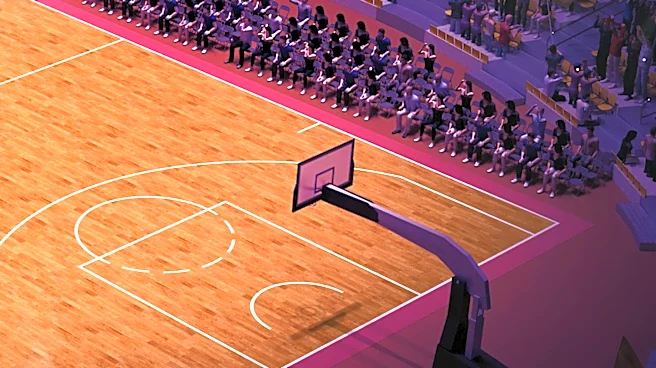
Modern shot clocks are typically displayed in large red numerals below the game clock on a display mounted atop each backboard in professional and collegiate courts. Some facilities might place them on the floor or mounted to a wall behind the end line. These digital clocks are distinct from the game clock, which shows the time remaining in the period of play. The NBA specifies that a transparent shot clock and game clock, displaying times on both sides, should be part of the backboard assembly, an arrangement also used by FIBA, EuroLeague, and many venues.
Operationally, the shot clock begins counting down when a team gains possession and pauses whenever the game clock stops, such as during timeouts, violations, or fouls. The offensive team must attempt a field goal before the clock expires; failure to do so results in a shot clock violation, leading to a turnover. An important rule clarifies that there is no violation if the ball is in flight towards the basket when the clock expires, provided it leaves the player's hand before time runs out and either goes in or touches the rim. The shot clock resets to its full length at the start of each period and with every change of possession. However, it does not reset if a defender briefly touches the ball but the offense maintains possession, or if a shot attempt completely misses the rim. Specific rules also govern resets after offensive rebounds or certain fouls, often setting the clock to 14 seconds rather than the full duration. In the final five seconds, the shot clock displays tenths of seconds, a feature adopted in the 2011–12 NBA season. Near the end of a period, if the shot clock would show more time than remains in the game period, it is switched off, preventing a shot clock violation during those final moments.
Technological Advancements in Shot Clock Systems
Over the years, shot clock technology has advanced significantly. Early NBA shot clocks were often single-sided black boxes. A 1991 rule change mandated that game clocks be integrated with shot clocks in the NBA, leading to the widespread use of multiple-sided units. By 2002, an NBA rule change allowing instant replay review of last-second shots required four-sided units and an accompanying shot clock light to verify if a shot was released in time. In 2005, the FedExForum in Memphis introduced a new two-sided transparent shot clock developed by Daktronics. By the 2010s, this twin shot clock format became standard in many venues, including NCAA play. In 2014–15, the NBA partnered with Tissot, a Swiss watch company, to standardize its timekeeping operations, introducing a thinner, double-sided transparent shot clock. Tissot also became the official timekeeper for the WNBA in the 2017 season. Looking ahead, Tissot introduced a new circular model for the NBA and WNBA ahead of the 2025–26 season, which will display digits in multiple colors and indicate a countdown for coach's challenges, further enhancing the visual and functional aspects of the shot clock for players and fans alike.