

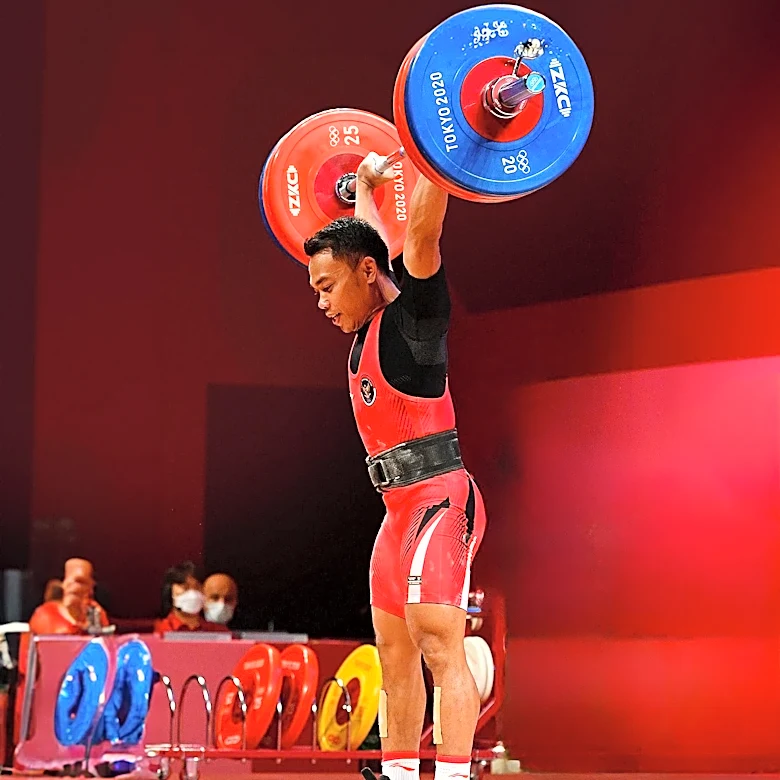
Powerlifting is a competitive strength sport where athletes aim to lift maximal weight in three specific exercises: the squat, bench press, and deadlift. Unlike Olympic weightlifting, which focuses on dynamic, explosive movements, powerlifting emphasizes raw strength in these three foundational lifts. A key aspect of the sport, and often a point of distinction, is the use of equipment, which can significantly impact performance and is categorized
into different divisions to ensure fair competition.
Equipped vs. Unequipped Divisions
In powerlifting competitions, lifts are performed in either an equipped or unequipped division. The unequipped division is often referred to as 'classic' or 'raw' lifting, particularly within the International Powerlifting Federation (IPF). The primary distinction lies in the type of supportive gear allowed. Equipment in this context specifically refers to supportive bench shirts, squat/deadlift suits, or briefs. These specialized garments are designed to store elastic energy during the eccentric (lowering) phase of a lift, which is then released during the concentric (lifting) phase, effectively assisting the lifter in moving heavier weights.
The rules regarding knee wraps can vary between federations. In some, knee wraps are permitted only in the equipped division, while in others, they may be used in both equipped and unequipped lifting. This variation highlights the nuanced differences in rules across various powerlifting organizations. The choice between competing equipped or unequipped often depends on a lifter's preference, training style, and the specific federation's regulations.
Permitted Gear Across Divisions
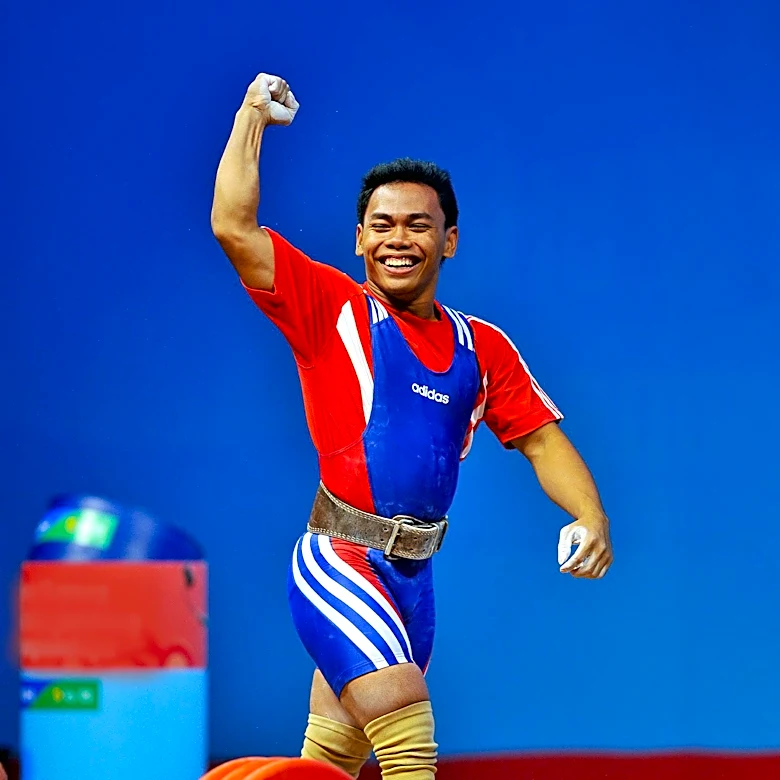
Beyond the primary supportive gear, several other items are commonly used by powerlifters and are generally not considered when distinguishing between equipped and unequipped lifting. These include weightlifting belts, knee sleeves, wrist wraps, and special footwear. A weightlifting belt, for instance, is permitted in both equipped and raw categories and helps lifters achieve higher intra-abdominal pressure, which can stabilize the core and support the spine during heavy lifts.
Knee sleeves, often made of neoprene, are allowed in the classic powerlifting division (unequipped or raw competition) and provide warmth and compression to the knee joint. Wrist wraps offer support to the wrists, which can be beneficial during bench presses and squats. Special footwear, such as heel-elevated shoes for squats or barefoot shoes for deadlifts, can optimize body mechanics for each specific lift. Chalk is also a common accessory, used to improve grip on the barbell.
Specific Equipment for the Deadlift
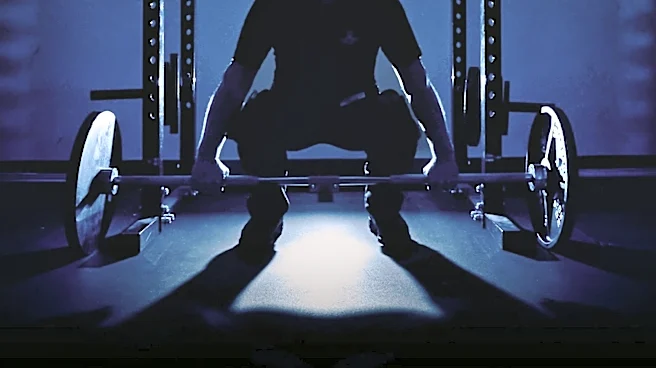
The deadlift, one of the three core powerlifting movements, also has specific equipment considerations. In equipped competitions, lifters may use deadlift suits or briefs. These elastic garments store energy as the lifter bends down and release it during the lift, providing assistance. Equipped lifting further distinguishes between single-ply (one layer) and multi-ply (two or more layers) equipment, with multi-ply suits generally offering more assistance due to their increased rigidity and energy storage capacity.
In contrast to powerlifting, where straps are not permitted in any category, some strongman competitions allow straps. These can be beneficial for athletes whose grip might be a limiting factor in lifting maximal weight. Standard figure 6 straps are common, and figure 8 straps, which allow the lifter to hold the bar in their fingertips and can reduce the distance traveled, are also permitted in some strongman events. This distinction underscores the different competitive philosophies between powerlifting and strongman, even though both involve heavy lifting.