


The concept of using light for therapeutic purposes has roots in ancient history, with early practices in ancient Egypt and India involving natural sunlight to treat conditions like leucoderma. Florence Nightingale, in the 1850s, also advocated for exposure to clean air and sunlight for health restoration, contributing to the early development of light therapy. Further scientific inquiry in 1877 by Downes and Blunt suggested sunlight's ability to inhibit
fungal growth, providing more evidence for light's therapeutic potential. However, the modern era of light therapy, particularly with artificial light sources, began in the late 19th century. Niels Finsen, a Danish Nobel laureate, pioneered the use of light to treat skin tuberculosis (lupus vulgaris), marking a significant turning point with his invention of the "Finsen lamp."
The systematic study and application of modern light therapy, especially for seasonal depression, truly emerged in the early 1980s. In 1984, Norman E. Rosenthal and his colleagues at the U.S. National Institute of Mental Health first systematically described seasonal affective disorder (SAD) and reported initial successes using bright light as a treatment. This research laid the groundwork for the widespread adoption of light therapy as a recognized intervention for mood and sleep disorders. The field has since expanded, with light therapy becoming a common approach in both medical and beauty contexts, including the use of LED lights in cosmetology since the 1980s for purposes like acne recovery and collagen production.
Practical Application of Light Therapy
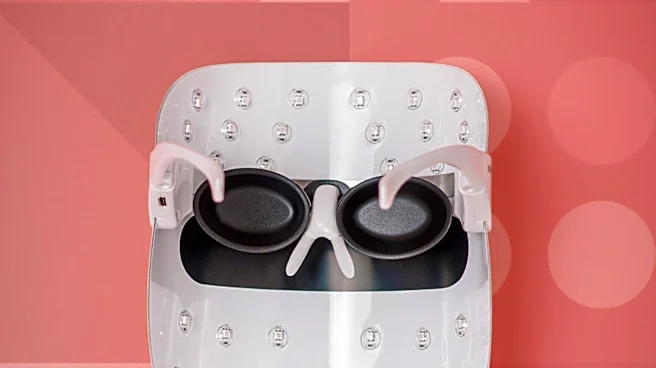
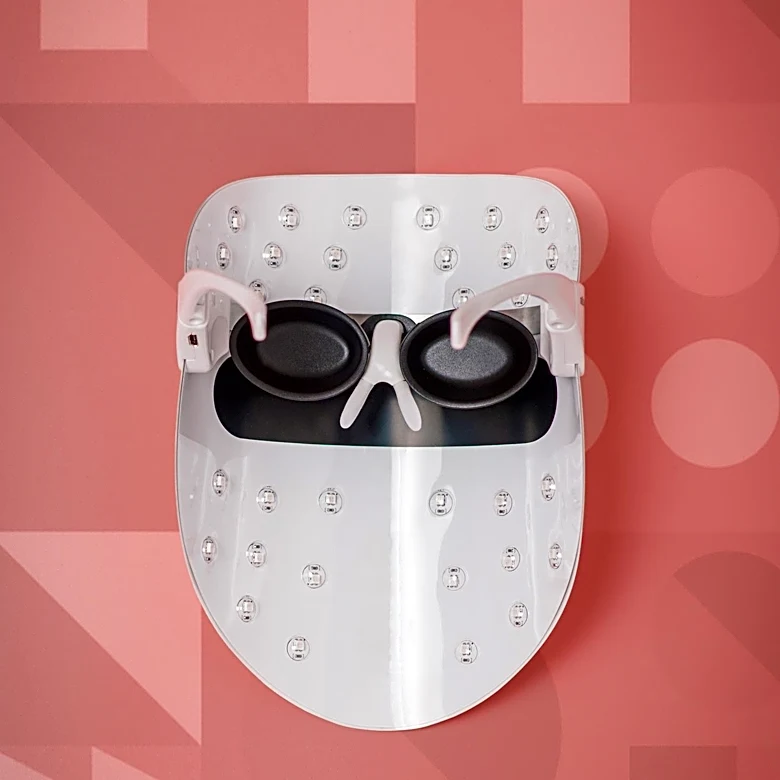
In therapeutic settings, patients are typically exposed to bright artificial light, often referred to as a "light shower," using devices such as daylight lamps. Other forms include light masks and light glasses, known as "wearables." For optimal results, light therapy is generally recommended to be applied immediately after waking up in the early morning hours. The most common type of light used is bright, fluorescent light of high intensity, ideally at least 10,000 lux, measured at eye level, though 2,500 lux is a minimum. The duration and frequency of treatment vary depending on the light intensity, source, and type, ranging from several days to several months.
Patients are advised to sit approximately 20 to 30 inches from the light source. A crucial aspect of the treatment is ensuring that the light reaches the retina, which means the eyes must remain open and unobstructed by sunglasses or other coverings. However, patients should not look directly into the light source to prevent potential eye damage. To ensure safety, light therapy devices must be equipped with a UV filter, as UV light is considered relatively ineffective for the primary therapeutic goals and can be harmful. While the spectral effectiveness of light therapy is not fully known, studies suggest that short or medium wavelengths (blue, green, yellow) are necessary for a therapeutic effect, with newer research emphasizing the blue light spectrum (446–477 nm).
Efficacy and Safety Considerations
Light therapy is generally considered to have a low potential for harm. While short-term effects on remission rates and symptoms have been observed, long-term effects have not been extensively studied. For seasonal affective disorder, light therapy is offered as an additional and supportive intervention. The evidence for its effectiveness in preventing winter depression is considered very low by some reports, due to methodological issues in studies such as high risk of bias and small sample sizes. Despite these limitations, its low risk profile makes it a viable option. For non-seasonal depression, the evidence is even lower, leaving the recommendation for such therapy open.
Common, usually mild and temporary, side effects can include headaches, irritated or dry eyes, and visual disturbances, particularly at the beginning of treatment. Less frequently, nausea, dizziness, or agitation may occur. The absence of UV components in modern light therapy devices further contributes to their safety profile. In some regions, like Germany, light therapy for winter depression is often a self-pay service, though it is generally viewed as "tendentially positive" due to its low side effect profile and some evidence of symptom relief compared to sham treatments.