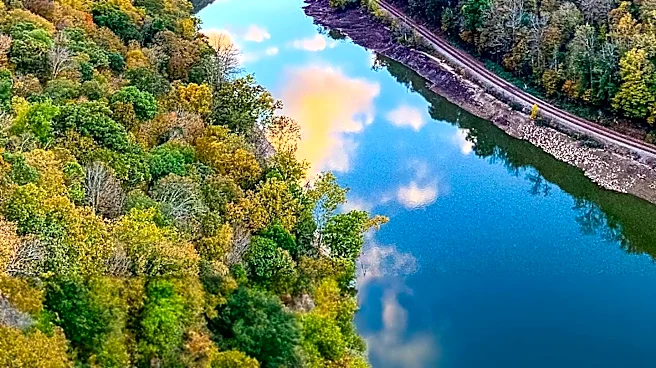





New River Gorge National Park and Preserve is not only a natural wonder but also a site rich in historical and cultural significance. Located in West Virginia, this park has a storied past that reflects the industrial and cultural development of the region. From its early days as a hub of coal mining to its current status as a national park, the New River Gorge has played a pivotal role in shaping the history of the Appalachian region.
Early Exploration and Settlement
The history
of the New River Gorge dates back to the late 17th century when it was first explored by European settlers. The Batts and Fallam expedition of 1671, sent by Colonel Abraham Wood, marked the first recorded exploration of the river. The river was initially known as "Wood's River" in honor of Abraham Wood, highlighting its early significance in the region's exploration.
As settlers moved into the area, the New River Gorge became a vital corridor for transportation and trade. The construction of the Chesapeake and Ohio Railway in the 1870s further opened up the region, leading to the establishment of numerous coal mining towns along the gorge. These towns thrived for decades, contributing to the industrial growth of the United States.
Industrial Heritage
The New River Gorge was once a bustling center of coal mining activity, with its high-quality bituminous coal fueling the nation's trains, factories, and power plants. The remnants of this industrial past are still visible today, with historic coal mining structures and coke ovens scattered throughout the park.
The park is home to several historic districts and sites listed on the National Register of Historic Places, including the Nuttallburg Coal Mining Complex and Town Historic District. These sites offer a glimpse into the lives of the miners and their families who once called the gorge home. The park's historic structures and ruins tell the story of a bygone era, preserving the cultural heritage of the Appalachian region.
Preservation and Modern Significance
In 1978, the New River Gorge was designated as a national river, marking the beginning of its transformation into a protected area. This designation was the result of a grassroots effort to preserve the gorge's natural and cultural resources for future generations. In 2020, the area was redesignated as a national park and preserve, further solidifying its importance as a site of national significance.
Today, New River Gorge National Park and Preserve continues to attract visitors from around the world, drawn by its rich history and stunning landscapes. The park serves as a reminder of the region's industrial heritage while offering opportunities for recreation and exploration. As a protected area, it ensures that the natural and cultural treasures of the New River Gorge will be preserved for generations to come.