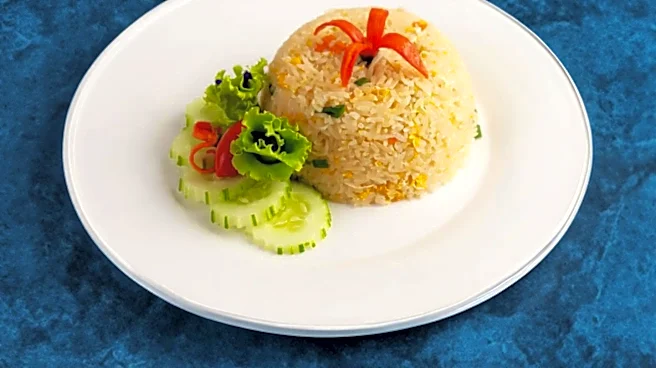






Fried rice is a beloved dish that has traveled far and wide, evolving with each culture it touches. Originating in China during the Sui dynasty, fried rice has become a staple in many cuisines around the world. This article explores the historical journey of fried rice, highlighting its beginnings and how it spread globally.
Origins in China
Fried rice first appeared during the Sui dynasty in China, between 589 and 618 CE. It was initially a practical solution to utilize
leftover rice, which was a common staple in Southern Chinese households. The stir-frying technique, although recorded earlier, gained popularity during the Ming dynasty, allowing for the creation of fried rice as we know it today. The basic elements included rice, meat, vegetables, soy sauce, and garlic, all stir-fried together to create a flavorful dish.
Yangzhou fried rice, one of the most popular varieties, originated in the city of Yangzhou. This version typically includes shrimp, scrambled eggs, and barbecued pork, showcasing the versatility and adaptability of fried rice. As the dish spread, it adapted to local tastes and ingredients, leading to countless variations.
Spread Across Asia
As Chinese migrants traveled, they brought their culinary traditions with them, including fried rice. This dish found a new home in Southeast Asia, where it was embraced and transformed. In Indonesia and Malaysia, nasi goreng became a popular variant, incorporating local spices and ingredients like sweet soy sauce and shrimp paste.
In Japan, chāhan emerged as a Japanese Chinese dish, influenced by the original Chinese fried rice recipes. Thai khao phat and Singaporean sambal fried rice are other examples of how fried rice adapted to regional flavors, each with its unique twist.
Global Influence
Fried rice has not only spread across Asia but has also made its mark in Western countries. Restaurants catering to vegetarians have created their own versions, such as egg fried rice. In Latin America, variations like Ecuadorian chaulafan and Peruvian arroz chaufa showcase the dish's adaptability.
In the United States, American fried rice combines traditional Thai fried rice with American-style ingredients like fried chicken and ketchup. This fusion highlights the dish's ability to blend cultures and create new culinary experiences.
Fried rice's journey from a simple leftover dish to a global culinary phenomenon is a testament to its versatility and appeal. As it continues to evolve, fried rice remains a beloved dish that connects cultures and flavors worldwide.