







The Neil Simon Theatre, originally known as the Alvin Theatre, is not only a hub for Broadway productions but also an architectural gem in New York City's Theater District. Designed by Herbert J. Krapp, the theater's architecture reflects the opulence and grandeur of the late 1920s. From its neo-Georgian facade to its intricately designed interior, the Neil Simon Theatre stands as a testament to the architectural brilliance of its era.
The Neo-Georgian Facade
The exterior
of the Neil Simon Theatre is a striking example of neo-Georgian architecture, a style characterized by its symmetry and classical proportions. The facade is divided into two sections: the six-story stage house and the five-story auditorium. The ground floor is adorned with terracotta blocks, while the upper stories feature brick and terracotta elements.
One of the most distinctive features of the facade is its arched windows and central pediment, which add a sense of elegance and grandeur to the building. The use of terracotta trim and brickwork creates a harmonious blend of materials, giving the theater a timeless appearance. The facade's design was intended to evoke the feeling of entering a producer's home, a nod to the theater's original operators, Alex A. Aarons and Vinton Freedley.
The Adam Style Interior
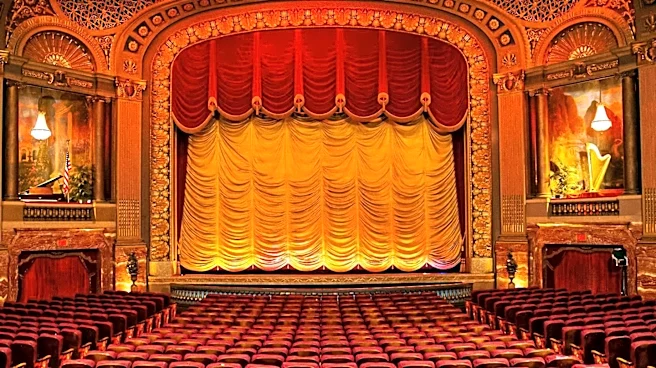
Inside, the Neil Simon Theatre boasts an interior designed in the Adam style, a neoclassical design known for its refined elegance and attention to detail. The theater's interior features two lobbies and a mezzanine-level lounge, all adorned with intricate plasterwork and paneling.
The auditorium itself is a marvel of design, with a domed ceiling and a color scheme of ivory, blue, gray, and gold. The seating is arranged across two levels, with a ground-level orchestra and a balcony with boxes. The theater's interior is further enhanced by its decorative elements, including crystal chandeliers and sconces that add a touch of luxury to the space.
A Landmark of Design
Both the facade and the interior of the Neil Simon Theatre have been designated as New York City landmarks, a recognition of their architectural significance. The theater's design not only reflects the aesthetic sensibilities of the late 1920s but also serves as a reminder of the craftsmanship and artistry that defined the era.
Today, the Neil Simon Theatre continues to captivate audiences with its stunning architecture and design. As a venue for Broadway productions, it offers a unique blend of historical charm and modern functionality, making it a beloved destination for theatergoers and architecture enthusiasts alike. The theater's architectural marvels are a testament to the enduring legacy of its designers and the timeless appeal of its design.