

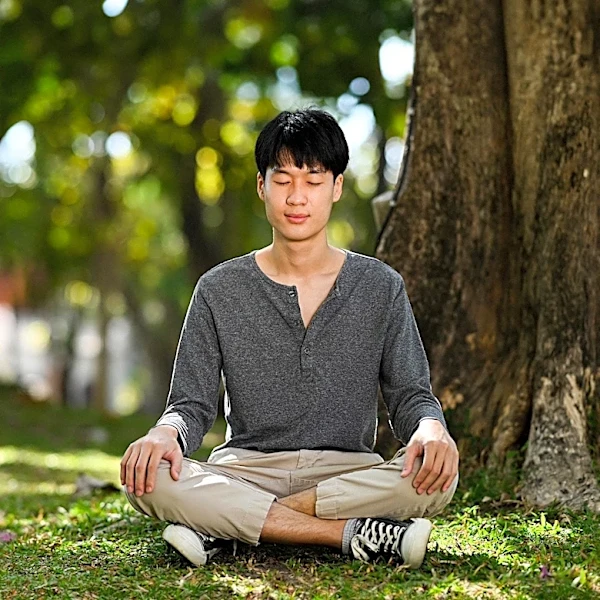





Integral Yoga, as introduced to the West by Swami Satchidananda, offers a comprehensive system designed to integrate the body, mind, and spirit. This approach synthesizes six classical branches of Yoga: Hatha, Raja, Bhakti, Karma, Jnana, and Japa yoga. The overarching aim is to foster holistic development, addressing the physical, emotional, intellectual, and spiritual dimensions of individuals through a combination of physical practices and philosophical
principles. This system emphasizes that true peace and joy are inherent to a person's nature, and the practices are designed to help individuals access this inner state.
Synthesizing Classical Yoga Branches
Swami Satchidananda's Integral Yoga draws upon the rich traditions of classical yoga, bringing together six distinct paths into a unified system. Hatha Yoga, for instance, combines physical postures (asanas) with breathing exercises (pranayama) and deep relaxation. It also incorporates lifestyle elements such as a vegetarian diet and abstinence from stimulants, emphasizing that asanas should be "steady and comfortable" to promote a meditative flow rather than over-exertion. This physical foundation is crucial for preparing the body and mind for deeper spiritual work.
Raja Yoga, another key branch, focuses on meditation and self-discipline, guided by ethical principles. It is based on the eight limbs of Yoga described in Patanjali's Yoga Sutras, which are seen as tools for transformation. Swami Satchidananda encouraged students to apply these teachings in daily life, viewing them as a "golden key to unlock all health, happiness, peace, and joy." Bhakti Yoga cultivates love and devotion towards the Divine, often expressed through practices like kirtan (call-and-response chanting), prayer, and constant remembrance of the divine. This devotional path is understood as an external expression of an internal attitude of surrender, helping to release ego-driven desires.
Service, Wisdom, and Mantra: Diverse Practices for Inner Growth
Karma Yoga, a central practice in Integral Yoga, is defined as selfless service. It involves giving without expectation of return, viewing actions as an offering to the divine or to humanity. Swami Satchidananda taught that serving others is key to happiness, encapsulated in his motto: "The dedicated ever enjoy supreme peace and joy. Therefore, live only to serve." This emphasis on altruism transforms everyday activities into spiritual practice, fostering a sense of interconnectedness and purpose.
Jnana Yoga, the path of wisdom, involves study, analysis, and the cultivation of greater awareness. Practitioners strive to move beyond identification with their bodies and minds to realize the unchanging "witness" within. This is achieved through reflection and self-inquiry, such as the direct questioning of "Who am I?", aimed at helping individuals experience their true identity. Finally, Japa Yoga, or mantra repetition, is presented as an effective method for developing a successful meditation practice. Mantras are believed to represent and invoke specific aspects of "cosmic vibration," calming and uplifting the mind. Swami Satchidananda suggested that while any uplifting repetition can be a mantra, selected mantras given through initiation can be particularly beneficial, acting "like a prescription signed by a doctor."
Interfaith Understanding and Global Reach
Integral Yoga is built upon a foundation of interfaith understanding. Swami Satchidananda taught that all religions share essential universal principles, encouraging practitioners to respect and honor the unity found in diversity, summarized by his motto, "Truth is one, paths are many." This perspective positions Integral Yoga not as a religion itself, but as a combination of teachings that form a basis for spiritual practice, adaptable to individual needs. The branches of Integral Yoga are not hierarchical, allowing practitioners to find a combination that best suits them.
Classes of Integral Yoga are taught worldwide, reflecting its global appeal and accessibility. The system's headquarters, the Satchidananda Ashram–Yogaville, is located in Buckingham, Virginia, serving as a central hub for its teachings and practices. This global presence underscores the system's commitment to promoting peace, health, and joy through integrated spiritual development, making it a significant contributor to the modern yoga landscape.