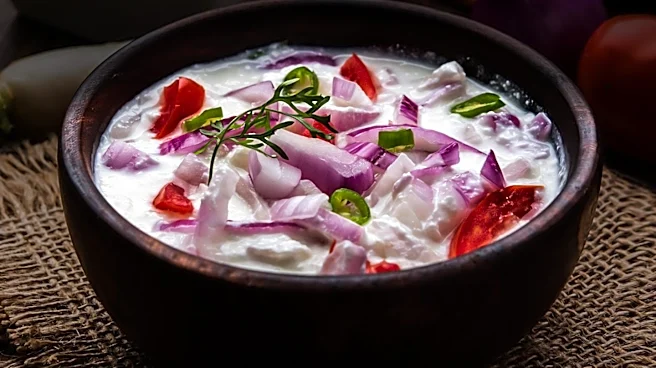







Raita is a distinctive side dish and condiment that holds a significant place in Indian cuisine. Made primarily from dahi, which is yogurt or curd, it often incorporates raw or cooked vegetables, fruits, or pulses. This versatile dish is not just a simple accompaniment; it's a crucial element designed to balance the flavors of a meal, particularly when spicy Indian dishes are on the menu. Served chilled, Raita offers a refreshing contrast that helps
to cool the palate, making the overall dining experience more enjoyable.
The Core Ingredients and Flavor Profile
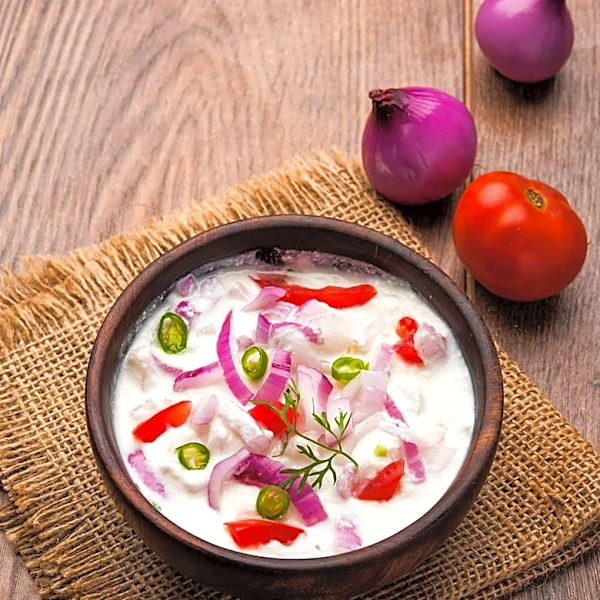
The foundation of Raita is dahi, or yogurt, which provides a creamy and tangy base. This dairy component is often seasoned with a variety of herbs and spices, contributing to its complex flavor profile. Common seasonings include coriander, roasted cumin seeds, fresh mint, and cayenne pepper, each adding its own unique note to the dish. The choice of vegetables or fruits mixed into the yogurt can vary widely, allowing for numerous regional and personal variations. Ingredients like cucumber, onion, carrot, beetroot, tomato, pineapple, or even pomegranate are frequently used, offering different textures and tastes.
Beyond the fresh ingredients, the preparation often involves a technique known as tempering. Spices such as cumin (jīrā) and black mustard (rāī) are fried, and this aromatic tempering is then mixed into the yogurt along with the minced vegetables or fruits. This process infuses the Raita with a deeper, more nuanced flavor that distinguishes it from a simple yogurt and vegetable mix. The combination of cool yogurt, fresh produce, and aromatic spices creates a harmonious balance that is both refreshing and flavorful.
Raita's Role in Indian Meals
Raita is traditionally served as a side dish alongside main course meals, ranging from hearty pulao rice dishes to rich and spicy curries. Its primary function is to act as a cooling accompaniment, providing a soothing counterpoint to the heat often found in Indian cooking. The chilled temperature of Raita further enhances its refreshing qualities, making it particularly popular in warmer climates or with intensely spiced dishes.
This condiment is not merely an optional extra; it is an integral part of the meal, contributing to the overall balance and enjoyment. The contrast between the spicy main course and the cool, creamy Raita creates a dynamic culinary experience. It allows diners to appreciate the full spectrum of flavors without being overwhelmed by the spice, making even the hottest curries more approachable and palatable. The versatility of Raita also means it can be adapted to complement a wide array of dishes, ensuring its presence at many Indian tables.
Etymological Roots and Historical Presence
The word "raita" itself has an interesting linguistic history, first appearing in print around the 19th century, originating from Hindi. In both Bengali and Hindi, the word is understood as a portmanteau, combining elements from older Sanskrit and Hindi terms. It is believed to derive from the Sanskrit word *rajika* or the Hindi derivative *rai*, both of which mean black mustard seed. The second part of the portmanteau is *tiktaka*, which translates to sharp or pungent.
This etymology suggests a historical connection to the use of mustard seeds in the preparation of Raita, highlighting the importance of spices in its traditional form. While the exact origins of the dish may be ancient, its documented presence in the 19th century indicates its long-standing role in the culinary traditions of the Indian subcontinent. The continued evolution and regional variations of Raita demonstrate its enduring popularity and adaptability across different cultures and palates within the region.