






Grand Central Terminal, often referred to as Grand Central Station, is a historic landmark in New York City that has undergone significant transformations since its inception. From its beginnings as Grand Central Depot in 1871 to its current status as a bustling commuter hub, the terminal's evolution reflects the changing needs and aspirations of the city it serves. This article explores the key milestones in the terminal's history.
From Depot to Terminal
The original Grand
Central Depot was completed in 1871, serving as a central hub for the New York Central and Hudson River Railroad, the Harlem River Railroad, and the New Haven Railroad. The depot was designed to consolidate train services in one location, featuring elevated platforms and a roofed concourse, innovations that were new to the American continent.
By 1900, the depot underwent significant renovations, including the addition of three more stories and a new facade. This transformation marked the transition from Grand Central Depot to Grand Central Station, reflecting the growing importance of rail travel in the United States. The station's redesign aimed to reduce train congestion and improve operational efficiency.
The Birth of Grand Central Terminal
Between 1903 and 1913, Grand Central Station was demolished and replaced by the current Grand Central Terminal. The new terminal was designed in the Beaux-Arts style, featuring a grand facade and a spacious Main Concourse. The construction included the electrification of the rail lines, a significant technological advancement that improved train operations.
The terminal's opening in 1913 was a monumental event, celebrated as the largest train station in the world. It quickly became a symbol of New York City's progress and ambition, attracting visitors from around the globe. The terminal's design and functionality set new standards for railway architecture and urban planning.
Preservation and Modernization
In the late 20th century, Grand Central Terminal faced the threat of demolition as the New York Central Railroad struggled financially. Plans to replace the terminal with skyscrapers were halted by the Landmarks Preservation Commission, which designated the building as a protected landmark in 1967.
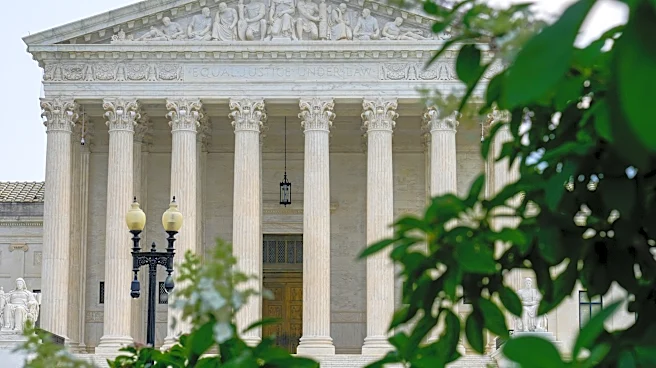
The legal battle to preserve the terminal culminated in a Supreme Court ruling in 1978, affirming the importance of historical preservation. This decision paved the way for subsequent renovations, ensuring the terminal's continued operation as a vital transportation hub. Today, Grand Central Terminal serves as a testament to New York City's resilience and commitment to preserving its architectural heritage.