







Alabama boasts a rich collection of state parks, offering a variety of natural landscapes and recreational opportunities across the state. As of 2023, the system includes 21 official state parks, primarily managed by the Alabama Department of Conservation and Natural Resources. These parks are complemented by three historic state parks, which are overseen by other authorities, adding a layer of cultural and historical significance to Alabama's protected
areas. This dual management approach ensures that both natural beauty and historical landmarks are preserved and made accessible to the public.
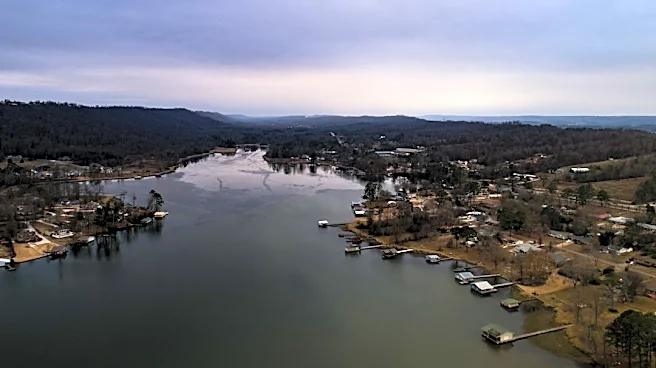
The state parks are spread throughout Alabama, from the northern reaches to the Gulf Coast, each offering unique characteristics. For instance, parks like Cathedral Caverns and Rickwood Caverns highlight the state's impressive underground geological formations, providing visitors with a glimpse into subterranean wonders. Other parks, such as Lake Guntersville and Lake Lurleen, are centered around significant bodies of water, offering aquatic recreation and scenic lakeside views. This geographical distribution and thematic diversity mean that residents and visitors alike can find a park experience tailored to their interests, whether they seek adventure, relaxation, or educational opportunities.
The Role of the Alabama Department of Conservation and Natural Resources
The Alabama Department of Conservation and Natural Resources plays a central role in the operation and maintenance of the majority of the state's official parks. Their oversight ensures that these natural areas are conserved for future generations while also providing facilities and programs for current visitors. This includes managing wildlife, maintaining trails, and developing infrastructure that supports various recreational activities. The department's efforts are crucial in balancing conservation goals with public access and enjoyment, making these parks vital assets for the state.
Among the parks under their purview are well-known destinations like Cheaha State Park, home to Alabama's highest point, and Gulf State Park, which offers coastal experiences along the Gulf of Mexico. These parks represent the breadth of Alabama's natural environments, from mountainous terrains to sandy beaches. The department's commitment extends to ensuring that these diverse ecosystems are protected, and that visitors have safe and enriching experiences, whether they are hiking, camping, fishing, or simply enjoying the scenery.
Historic State Parks and Their Unique Management
In addition to the natural parks, Alabama also recognizes three historic state parks, which are managed by authorities other than the Alabama Department of Conservation and Natural Resources. These sites are crucial for preserving and interpreting significant aspects of Alabama's past. While the specific details of their management differ, their inclusion in the state park system underscores a broader commitment to heritage preservation.
One notable example of a historic site is Tannehill Ironworks, which offers a window into Alabama's industrial history. These historic parks provide educational opportunities, allowing visitors to connect with the state's cultural and historical narrative. The distinction in management highlights the specialized care and expertise required for historical preservation, ensuring that these sites are maintained in a way that respects their unique heritage and educational value for the public.