




Aaron Copland's 1938 ballet, "Billy the Kid," offers a compelling dramatic narrative that traces the life of the infamous American outlaw, set against the backdrop of New Mexico and Arizona in the 1870s and 1880s. The ballet, with a libretto by Lincoln Kirstein, is structured to unfold key moments and emotional arcs from Billy the Kid's story, transforming historical events into a powerful theatrical experience. From its opening scene on the vast
prairie to its tragic conclusion, the ballet uses music and movement to paint a vivid picture of the American West and the legend of its central figure.
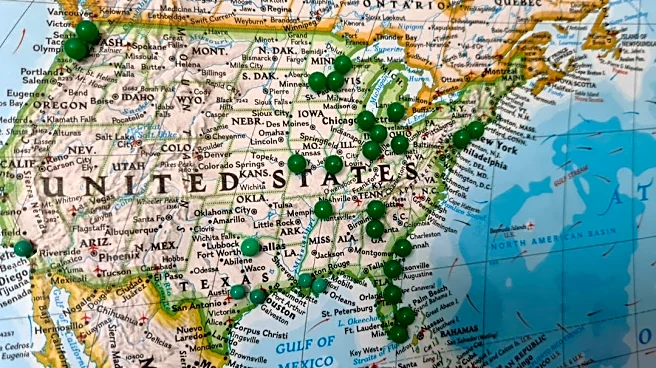
The ballet commences with "The Open Prairie," a scene that immediately establishes the expansive and untamed landscape of the American frontier. This opening not only sets the geographical stage but also introduces the theme of westward expansion, as pioneers are shown trekking across the land. The action then shifts dramatically to a "Street Scene in a Frontier Town," where a young Billy and his mother are present. This seemingly ordinary setting quickly turns tragic when Billy's mother is killed by a stray bullet during a gunfight. In a moment of raw emotion and nascent violence, Billy stabs her killer, an act that irrevocably sets him on the path to becoming an outlaw and forces him to go on the run.
Key Episodes in Billy's Outlaw Life
Following the initial tragedy, the ballet moves to depict various episodes from Billy's later life as a hunted man. One significant scene portrays him living in the harsh desert, a symbol of his isolation and constant flight. The narrative then builds to a dramatic confrontation where Billy is hunted and subsequently captured by a posse. This sequence is notable for its "Gun Battle," which features prominent percussive effects in Copland's score, intensifying the sense of conflict and danger. After his capture, Billy is taken to jail, a temporary setback in his life of crime.
However, Billy's story is one of defiance and escape. While in jail, he manages to steal a gun from the warden during a game of cards, orchestrating his escape. He returns to his hideout, believing he is safe from pursuit. This moment of perceived security is short-lived, as Sheriff Pat Garrett, his relentless pursuer, catches up to him. The ballet culminates in Billy's death, shot by Garrett, bringing an end to the outlaw's tumultuous life. The dramatic arc, from a young boy's tragic loss to a notorious outlaw's demise, is central to the ballet's emotional impact.
Thematic Resonance and Musical Structure
The ballet's order of numbers meticulously guides the audience through Billy's journey. Beyond the initial "Open Prairie" and "Street Scene," movements like "Mexican Dance and Finale" add cultural texture to the frontier setting. "Prairie Night" depicts a more intimate moment, showing Billy and his sweetheart during a card game at night, offering a glimpse into his personal life amidst the chaos. The "Celebration (After Billy's Capture)" highlights the community's reaction to his apprehension, while the "Waltz" provides a contrasting, perhaps more reflective, interlude before the final, inevitable confrontation.
The ballet concludes by returning to "The Open Prairie Again" theme, echoing the introduction. This cyclical structure suggests that while one individual's dramatic story has ended, the larger narrative of the American West and its pioneers continues. This framing elevates Billy the Kid's personal tragedy into a broader commentary on the forces shaping the frontier. Copland's music, with its evocative melodies and dramatic shifts, perfectly complements Kirstein's libretto, creating a timeless portrayal of an American legend through the art of ballet.