


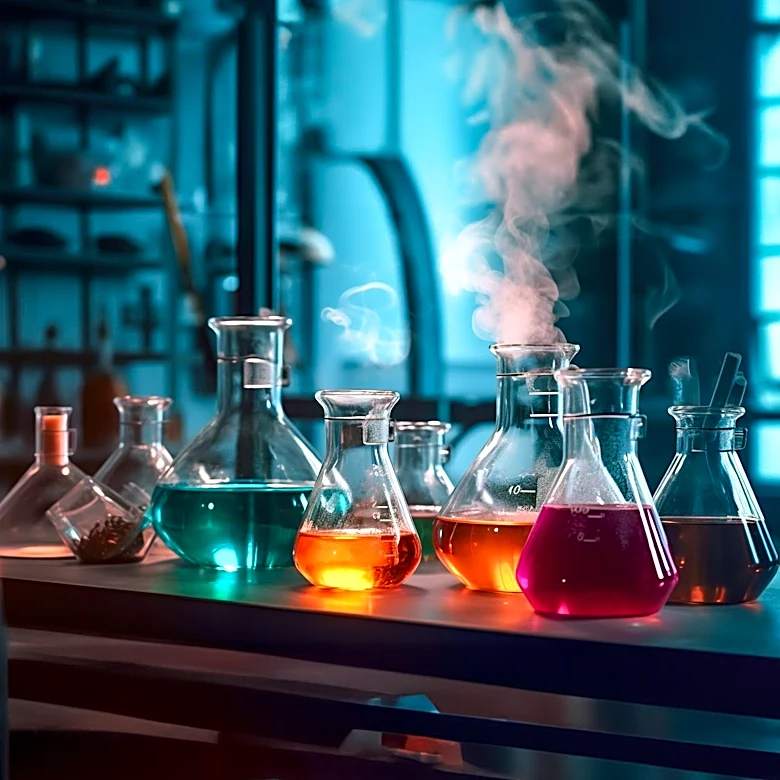




Chemical reactions are fundamental to the study of chemistry, representing the processes by which substances transform into new ones with different properties. These transformations are not random but are governed by specific principles, involving the rearrangement of electrons in the chemical bonds between atoms. From the simple act of burning wood to the complex metabolic processes within living organisms, chemical reactions are constantly occurring
around and within us. Understanding these reactions, their mechanisms, and the energy changes that accompany them is central to comprehending the behavior of matter.
The Nature of Chemical Transformations
At its most basic, a chemical reaction is the conversion of some substances into one or more different substances. This process is fundamentally about the rearrangement of electrons within the chemical bonds that hold atoms together. Such transformations can be symbolically represented through chemical equations, where atoms are the subjects. A crucial aspect of non-nuclear chemical reactions is that the number and type of atoms on both sides of the equation remain equal, reflecting the conservation of matter. When this balance is not maintained, the transformation is classified as a nuclear reaction or radioactive decay, which falls outside the typical scope of chemical reactions.
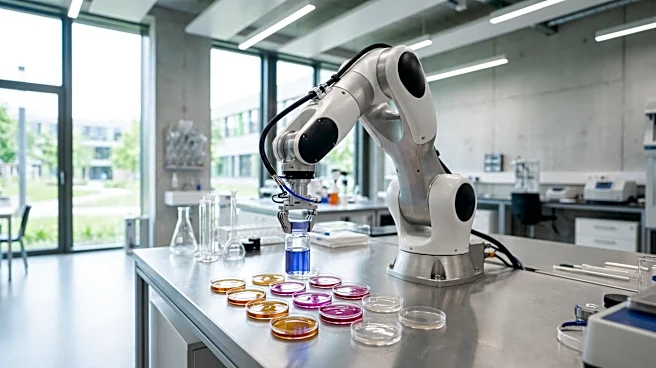
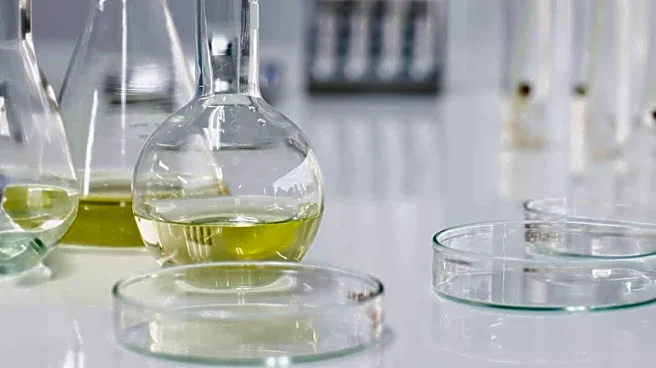
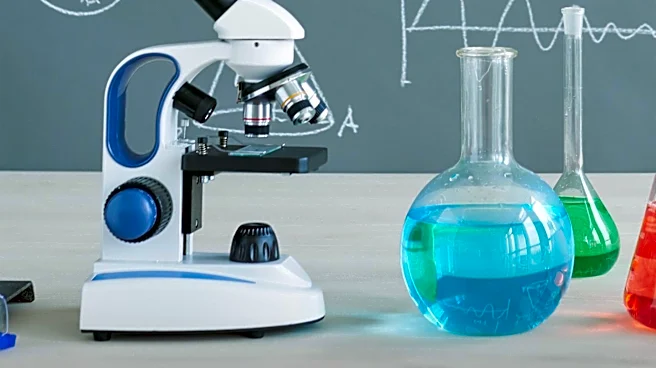
Chemical reactions occur when a chemical substance interacts with another substance or with energy, or both. This interaction results in an energy exchange between the reacting components and their environment, often taking place in controlled settings like laboratory glassware. The outcome can involve the formation or dissociation of molecules, meaning molecules can break apart into smaller units or atoms can rearrange within or across molecules to form new structures. The making and breaking of chemical bonds are the defining features of these processes, leading to the creation of entirely new chemical entities.
Mechanisms and Types of Reactions
The sequence of steps through which chemical bonds are reorganized during a reaction is known as its mechanism. A chemical reaction can be envisioned as occurring in multiple steps, each potentially having a different speed. During these steps, various reaction intermediates, which possess variable stability, can form. Physical chemists often specialize in exploring and proposing these mechanisms to explain the kinetics of a reaction and the relative mix of products formed. Empirical rules, such as the Woodward–Hoffmann rules, frequently assist in proposing plausible mechanisms for chemical transformations.
According to the IUPAC gold book, a chemical reaction is defined as "a process that results in the interconversion of chemical species." This definition encompasses both elementary reactions, which occur in a single step, and stepwise reactions, which involve multiple steps. It also includes cases where the interconversion of conformers (different spatial arrangements of the same molecule) is experimentally observable. Common types of chemical reactions include oxidation, reduction, dissociation, acid–base neutralization, and molecular rearrangement. Oxidation and reduction, collectively known as redox reactions, involve changes in the oxidation state of atoms through the gain or loss of electrons. An oxidant removes electrons from another substance, while a reductant transfers electrons to another substance, becoming oxidized itself. These diverse reaction types highlight the vast array of transformations that matter can undergo.