





One of the most defining and controversial actions of Gerald Ford's presidency was his decision to pardon Richard Nixon. This decision, made shortly after Ford assumed office, sparked widespread debate and had a lasting impact on his presidency. The pardon was intended to help the nation move past the Watergate scandal, but it also raised questions about justice and accountability.
The Decision to Pardon
When Gerald Ford took office on August 9, 1974, he inherited a nation
deeply divided by the Watergate scandal. The scandal had eroded public trust in the government and left the country in a state of political turmoil. Ford believed that ongoing legal proceedings against Nixon would prevent his administration from addressing other pressing issues. He felt that a pardon was necessary to allow the country to heal and move forward.
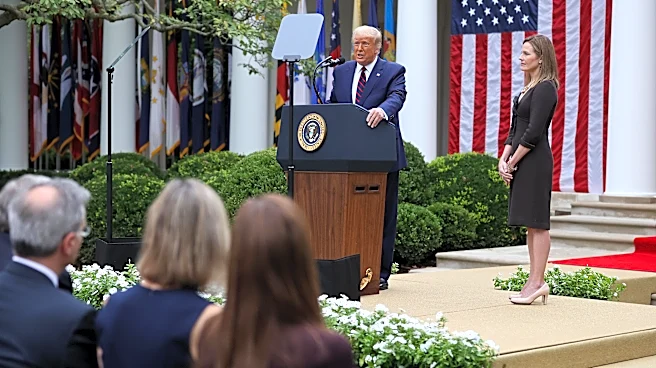
On September 8, 1974, Ford issued Proclamation 4311, granting Nixon a full and unconditional pardon for any crimes he might have committed against the United States while president. In a televised address, Ford explained that the pardon was in the best interests of the country, stating that the situation was a tragedy in which all Americans had played a part. He believed that only by closing this chapter could the nation begin to recover.
Public Reaction and Political Fallout
The pardon of Richard Nixon was met with immediate and intense controversy. Many Americans viewed it as a betrayal of justice, believing that Nixon should be held accountable for his actions. Critics accused Ford of striking a "corrupt bargain" with Nixon, although Ford maintained that no deal had been made prior to Nixon's resignation.
The backlash was swift and significant. Ford's approval rating plummeted from 71 percent to 50 percent following the pardon. The decision also led to the resignation of Ford's press secretary, Jerald terHorst, who disagreed with the pardon. The controversy surrounding the pardon overshadowed much of Ford's presidency and contributed to his defeat in the 1976 presidential election.
Legacy of the Pardon
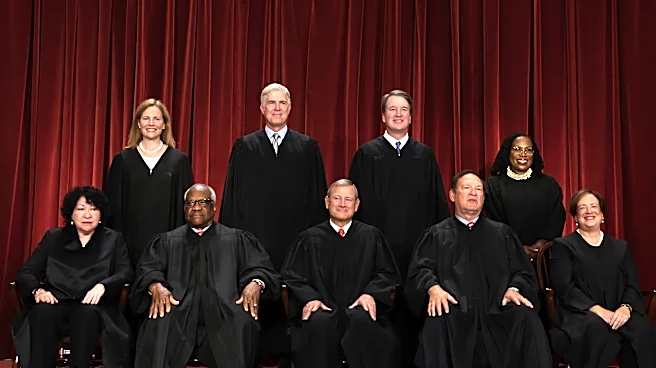
Despite the immediate negative reaction, some historians and political analysts have come to view Ford's pardon of Nixon as a courageous and necessary act. Ford himself believed that the pardon was the right decision, even if it cost him politically. He carried a portion of a Supreme Court decision in his wallet, which stated that a pardon implied a presumption of guilt, as a reminder of the gravity of his decision.
The pardon of Richard Nixon remains a contentious topic in American history. It highlights the complex interplay between justice, politics, and the need for national healing. While it may have damaged Ford's political career, the decision to pardon Nixon is often seen as a testament to Ford's commitment to what he believed was best for the country.