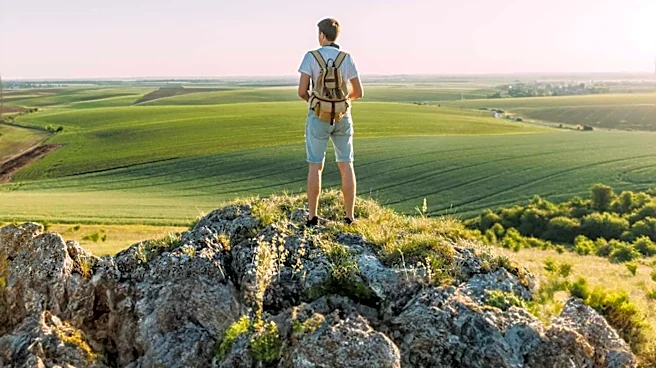








Kansas is home to a variety of state parks, each offering unique natural beauty, historical insights, and recreational activities for visitors. From the expansive prairies to significant historical sites and vast reservoirs, these parks provide diverse experiences across the state. Whether one is interested in wildlife viewing, water sports, hiking, or exploring historical structures, the Kansas state park system presents numerous opportunities to engage
with the natural and cultural heritage of the region. These parks are managed to preserve natural resources while also providing public access for enjoyment and education.
Iconic Parks and Their Distinguishing Features
Among the notable state parks in Kansas is Eisenhower State Park, located in Osage County. This park, situated 30 miles northeast of Emporia and 35 miles south of Topeka, was established in 1975. It was originally known as Melvern State Park, named for its location on the north shore of the 6,900-acre Melvern Lake. In 1990, the park was renamed to honor former President Dwight D. Eisenhower. Eisenhower State Park encompasses 1,345 acres of prairie and 440 acres of woodland, offering a blend of ecosystems for visitors to explore. Adjacent to the park is the 10,008-acre Melvern Wildlife Area, which supports a variety of wildlife including white-tailed deer, eastern wild turkey, bobwhite quail, squirrels, furbearers, and waterfowl. Hunting is permitted throughout most of the wildlife area, with a 1,000-acre waterfowl refuge designated for wildlife viewing from January 15 to October 1.Another significant park is Lake Scott State Park, established in 1928, making it the second oldest state park in Kansas. This park holds a unique historical distinction as the site of El Cuartelejo, the ruins of a Taos Pueblo. The Taos people arrived in western Kansas in 1664, having escaped Spanish colonial rule in New Mexico, and formed an alliance with Plains Apache groups. They constructed protective pueblos and an irrigation system from a nearby spring to water their crops. The settlement was occupied for 20 years before the builders returned to their homeland. Later, in 1696, a group of Picuri Indians reoccupied the pueblo, remaining for ten years before also retreating to their territories. The site was later used by a Spanish expedition in 1720 and reportedly by French traders in 1727. The ruins, discovered in 1889 and excavated by University of Kansas archaeologists, were designated a National Historic Landmark in 1964. The foundations of the seven-room pueblo have been reconstructed and are open to the public with interpretive signs.
Recreational Hubs and Wildlife Sanctuaries
Cheney State Park, completed in 1964, serves as a major recreational hub in Kingman and Reno counties, situated 5 miles north of Cheney and 20 miles west of Wichita. The park is divided into two areas, straddling the 6,800-acre Cheney Reservoir. It boasts extensive facilities including 29 miles of asphalt roads, two marinas, 223 electrical hookup sites with water, over 400 primitive campsites, and multiple boat ramps and showerhouses. The Ninnescah Sailing Association has facilities in the West Shore Area, and a marina in the East Shore Area provides supplies for boaters and anglers. The park also features nature and hiking trails, a handicapped-accessible fishing complex, and modern cabins. Adjacent to Cheney State Park is the 5,200-acre Cheney Wildlife Area, which offers opportunities for wildlife watching, nature photography, and hunting. A refuge within this area is specifically set aside for migratory waterfowl, closed to most activities from September 15 through March 15, but reopened for fishing and non-hunting day use activities thereafter.Prairie Dog State Park, located 4 miles west of Norton, Kansas, offers a different kind of natural experience. Established in 1962, this park is named after the creek that feeds into the Keith Sebelius Reservoir. Interestingly, when the park was established in 1967, there were no prairie dog populations present. Prairie dogs were introduced in the 1980s, and the park now hosts a thriving colony of about 300. The park occupies 1,100 acres on the north shore of Keith Sebelius Lake. Visitors can enjoy a 1.4-mile nature trail, view the prairie dog town, and utilize various recreational amenities such as a sand volleyball pit, disc golf course, basketball court, archery range, and a swimming beach. The park also preserves historical structures, including one of the last remaining adobe houses, built in the 1890s and now renovated, and the 1886 Hillmon one-room schoolhouse. These diverse parks collectively showcase the natural beauty, historical depth, and recreational richness available across Kansas.