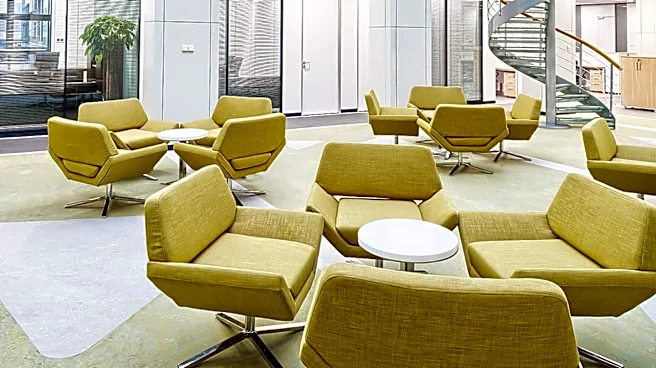








A study hall is a designated period during the school day where students are assigned time to study when they are not scheduled for a regular academic class. This concept is most commonly found in high schools and some middle schools, particularly within the United States. While colleges may offer similar spaces, they are often referred to as student lounges. The core idea behind a study hall is to provide students with an opportunity to engage in academic work,
distinct from their scheduled lessons, and it should not be confused with simply studying in a hallway.
The Academic Purpose of Study Halls
Study halls are generally held in assigned rooms and are supervised by teachers or teacher's aides. These supervisors often encourage students to utilize this time effectively for academic pursuits. The primary activities promoted include completing homework assignments, catching up on any missing work, or preparing for upcoming tests and quizzes. This structured environment aims to support students in managing their workload and reinforcing their learning outside of direct classroom instruction.Beyond individual study, study halls also serve as a valuable opportunity for students to interact with their teachers. Many teachers have a "prep period" during which they are available, and students can use their study hall time to visit these teachers. This allows for discussions about coursework, clarification on assignments, or seeking assistance in subjects they might be struggling with. Essentially, a study hall can be a period dedicated to utilizing school resources and requesting direct teacher support for academic challenges.
Balancing Academics with Other Activities
While the primary intention of study halls is academic, students sometimes use this time for other activities. These can include conversing with peers, making phone calls, sending text messages, playing video games, or engaging in other social or non-academic pursuits. However, such activities are often discouraged or even forbidden, depending on the school's policies. Some schools differentiate these periods by calling them "free periods" if non-academic activities are permitted.Interestingly, some students also use study halls to eat lunch. This practice can arise due to long lines in the cafeteria or short lunch periods, making study hall a practical alternative for consuming meals. This highlights how study halls, despite their academic focus, can sometimes adapt to other student needs within the school day, even if those needs are not directly related to studying.
Perspectives on Study Hall Effectiveness
There are varying opinions among academics regarding the effectiveness of study halls. For instance, school principal Jeff Gilbert has expressed the view that study hall can be an inefficient allocation of time, suggesting it is often underutilized by students. This perspective points to concerns that students may not always engage in productive academic work during these periods, potentially leading to wasted time.Conversely, other educators and proponents argue that study hall is a positive and beneficial addition to a regular school schedule. They believe it creates a conducive environment for students to complete homework and work on larger projects, thereby reducing the academic burden outside of school hours. This viewpoint emphasizes the potential for study halls to foster independent study habits and provide dedicated time for deep work, ultimately contributing positively to student achievement and well-being.