








Race marshals play a crucial role in the world of motorsports, ensuring the safety and smooth operation of events. These individuals are responsible for enforcing rules, communicating track conditions, and assisting drivers in need. Their presence is vital in maintaining the integrity and safety of races, from endurance competitions to high-speed Formula One events.
Responsibilities of Race Marshals
Race marshals are tasked with a variety of responsibilities that are essential to the
safe conduct of motorsports events. One of their primary duties is to enforce the rules of the competition. This involves monitoring the race to ensure that all participants adhere to the established guidelines and regulations. In the event of a rule violation, marshals have the authority to take necessary actions, which may include issuing penalties or disqualifications.
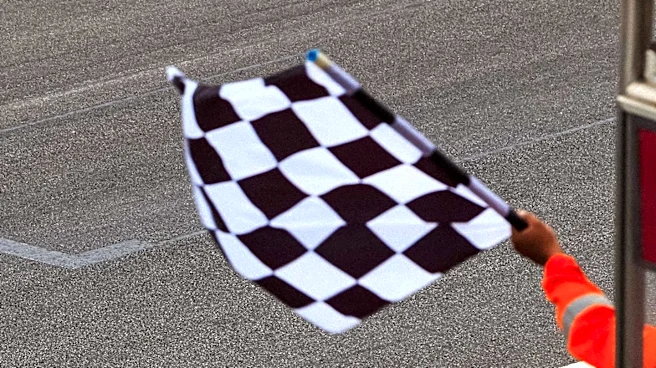
In addition to rule enforcement, race marshals are responsible for communicating track conditions to drivers. This is typically done through the use of flags, which signal different situations on the track. For example, a yellow flag indicates a hazard ahead, requiring drivers to slow down and exercise caution. Marshals must be vigilant and responsive, as their timely communication can prevent accidents and ensure the safety of all participants.
The Importance of Communication
Effective communication is a cornerstone of a race marshal's role. In high-stakes environments like Formula One, where speeds can exceed 200 miles per hour, the ability to quickly and accurately convey information is critical. Marshals use a standardized system of flags to communicate with drivers, each color representing a specific message. This system allows drivers to make informed decisions and react appropriately to changing conditions on the track.
Beyond flag signals, marshals may also use radio communication to coordinate with other officials and safety personnel. This ensures that everyone involved in the event is aware of any incidents or changes in track conditions. The seamless flow of information is essential for maintaining the safety and efficiency of the race.
The Role in Safety and Emergency Response
Race marshals are often the first responders in the event of an accident or emergency on the track. They are trained to handle a variety of situations, from minor incidents to serious crashes. In such cases, marshals must act swiftly to secure the area, assist drivers, and coordinate with medical and fire personnel if necessary.
Their presence is not only crucial for the immediate response to emergencies but also for preventing potential hazards. By monitoring the track and enforcing safety protocols, marshals help to minimize risks and ensure that races can proceed without unnecessary interruptions. Their dedication and vigilance are key to the successful execution of motorsports events, making them an indispensable part of the racing community.