








In 2025, the United States launched a significant military operation against Iranian nuclear sites, marking a pivotal moment in the ongoing conflict between the U.S., Israel, and Iran. This operation, known as Operation Midnight Hammer, was ordered by then-President Donald Trump and involved the U.S. Navy and Air Force targeting key nuclear facilities in Iran. The strikes were a part of the broader Iran-Israel war and had far-reaching implications
for international relations and regional stability.
The Execution of Operation Midnight Hammer
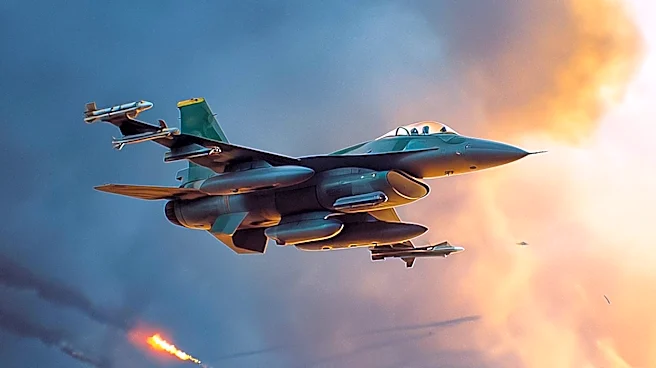
On June 22, 2025, the United States Armed Forces executed a coordinated attack on three major Iranian nuclear sites: Fordow, Natanz, and Isfahan. The operation was carried out using Northrop B-2 Spirit stealth bombers, which dropped 30,000-pound bunker buster bombs on these facilities. The U.S. Navy also played a crucial role, with submarines launching Tomahawk missiles to support the air strikes. This military action was a direct response to concerns over Iran's nuclear capabilities and was intended to cripple Iran's ability to develop nuclear weapons.
The operation was a significant escalation in the Iran-Israel war, officially marking the United States' entry into the conflict alongside Israel. The decision to strike was made amidst rising tensions and failed negotiations over Iran's nuclear program, which had been a point of contention for years. The strikes were intended to send a strong message to Iran and the international community about the U.S.'s stance on nuclear proliferation.
Reactions and Retaliation
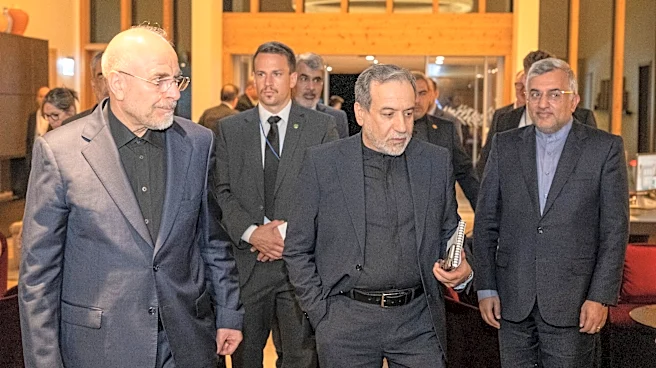
The U.S. strikes on Iranian nuclear sites were met with immediate and strong reactions from Iran and other regional actors. Iranian Foreign Minister Abbas Araghchi condemned the attacks as a reckless violation of international law and the UN Charter. In retaliation, Iran launched a missile attack on the Al Udeid Air Base in Qatar, a key U.S. military installation in the region. This counterattack was part of Iran's broader strategy to defend its sovereignty and respond to what it perceived as U.S. aggression.
The strikes also had implications for other regional players. The Iran-backed Houthis in Yemen announced the cancellation of a ceasefire with the United States, further complicating the geopolitical landscape. The operation and its aftermath highlighted the fragile nature of peace and stability in the Middle East, with various factions and nations reacting to the shifting dynamics.
The Twelve-Day War
The U.S. strikes and Iran's subsequent retaliation escalated into what became known as the Twelve-Day War. This brief but intense conflict saw a series of military engagements between the involved parties, with significant impacts on regional security and international diplomacy. The war underscored the volatility of the Middle East and the potential for rapid escalation in conflicts involving major powers.
Operation Midnight Hammer and the Twelve-Day War serve as a reminder of the complexities and dangers inherent in international relations, particularly concerning nuclear proliferation and military interventions. The events of 2025 continue to influence diplomatic strategies and military policies in the region and beyond.