



Spring rolls are a beloved appetizer found in various Asian cuisines, each with its own unique twist. From the crispy delights of Chinese spring rolls to the fresh and vibrant Vietnamese versions, these rolled treats offer a glimpse into the culinary diversity of Asia. This article delves into the different types of spring rolls found across the continent, highlighting their distinct characteristics and regional flavors.
Chinese Spring Rolls
Chinese spring rolls are perhaps
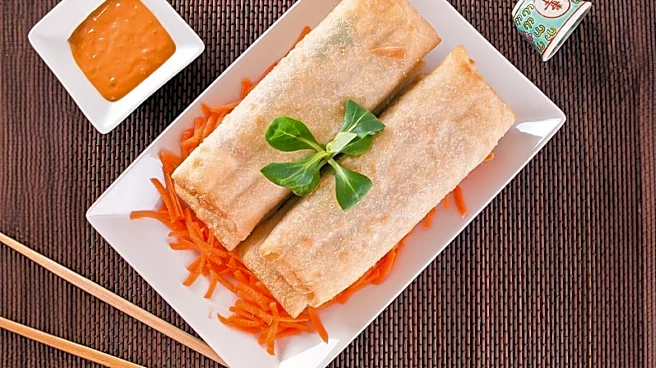
the most well-known variety, often served as dim sum or appetizers. These rolls typically feature a flour-based wrapper filled with a mixture of vegetables or ground meat. The filling is seasoned with herbs and spices, providing a savory taste that complements the crispy exterior. In China, spring rolls are a popular dish during the Spring Festival, symbolizing wealth and prosperity due to their resemblance to gold bars.
In Hong Kong and Macau, spring rolls are a staple in many restaurants, often served with a sweet and sour dipping sauce. The sauce, made with ingredients like ketchup, vinegar, and sugar, adds a tangy contrast to the savory rolls. This combination of flavors makes Chinese spring rolls a favorite among locals and tourists alike.
Vietnamese Spring Rolls
Vietnamese spring rolls, known as gỏi cuốn or nem cuốn, offer a fresh and healthy alternative to their fried counterparts. These rolls are made with rice paper wrappers and filled with a variety of ingredients, including cooked pork, shrimp, fresh herbs, and rice vermicelli. The rolls are typically served at room temperature with a dipping sauce, such as nước chấm or hoisin peanut sauce.
In Vietnam, these rolls are enjoyed as a light meal or appetizer, often shared among family and friends. The fresh ingredients and vibrant flavors make Vietnamese spring rolls a refreshing choice, especially during the hot summer months. The use of rice paper wrappers also sets them apart from other types of spring rolls, providing a unique texture and taste.
Southeast Asian Variations
In Southeast Asia, spring rolls take on different forms and names. In the Philippines, they are known as lumpia, a dish influenced by Chinese immigrants. Lumpia can be served fresh or fried, with fillings that include ground pork, vegetables, and sometimes seafood. The Filipino version is often smaller and thinner than other spring rolls, making it a popular finger food at gatherings.
In Thailand and Malaysia, spring rolls are called popiah, similar to the Taiwanese version. These rolls are typically filled with a mixture of vegetables and sometimes meat, wrapped in a thin crepe-like wrapper. Popiah is often served with a sweet and spicy sauce, adding an extra layer of flavor to the dish.
Spring rolls, in their many forms, showcase the rich culinary traditions of Asia. Each region adds its own twist to this versatile dish, making it a favorite among food lovers worldwide. Whether fried or fresh, savory or sweet, spring rolls continue to delight palates with their diverse flavors and textures.