







On July 19, 1989, United Airlines Flight 232 faced a catastrophic situation that could have ended in complete tragedy. The DC-10 aircraft, en route from Denver to Chicago, suffered a massive engine failure that led to the loss of all flight controls. Despite the dire circumstances, the actions of the flight crew, led by Captain Al Haynes, were instrumental in saving many lives. This article delves into the critical decisions and teamwork that defined
the crew's response to the emergency.
The Onset of the Crisis
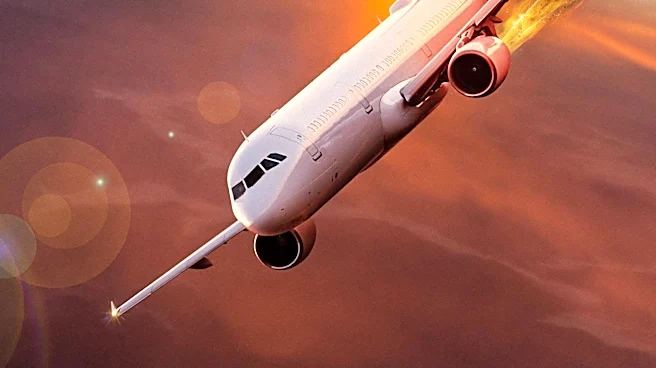
Flight 232 departed Denver at 14:09 CDT with 285 passengers and 11 crew members. About an hour into the flight, the crew heard a loud bang, followed by vibrations. The fan blade inside the number 2 engine had shattered, causing a catastrophic failure. This explosion severed all three hydraulic lines, leaving the aircraft without any flight controls. The plane began to bank right and descend uncontrollably.
Captain Al Haynes and his crew faced an unprecedented challenge. With the yoke unresponsive, they had to find alternative ways to control the aircraft. First Officer Records and Flight Engineer Dudley Dvorak worked alongside Haynes to assess the situation. Their initial attempts to regain control using traditional methods proved futile, as the hydraulic systems were completely compromised.
Innovative Solutions in the Cockpit
In the absence of conventional controls, the crew had to innovate. They decided to use the throttles to manage the plane's direction and altitude. This unconventional method required precise coordination and communication among the crew members. Flight Instructor Denny Fitch, who was traveling as a passenger, volunteered to assist in the cockpit. He was tasked with managing the throttles, a critical role in their improvised control strategy.
The crew's ability to adapt under pressure was remarkable. They circled the aircraft multiple times to lose altitude and prepared for an emergency landing in Sioux City, Iowa. Throughout this ordeal, the crew maintained clear communication, ensuring that each member understood their role in the emergency procedures.
The Final Moments and Aftermath
As the aircraft approached Sioux Gateway Airport, it was traveling at nearly twice the normal landing speed. The crew's efforts to stabilize the plane were challenged by its tendency to bank right and lose altitude. Despite these difficulties, Captain Haynes and his team managed to bring the aircraft down on the runway.
The landing was hard, and the plane broke apart upon impact. However, the crew's actions had significantly mitigated the potential loss of life. Of the 296 people on board, 184 survived. The crew's quick thinking and teamwork were later praised as exemplary in aviation history.
The story of United Airlines Flight 232 is a testament to the importance of training, communication, and adaptability in crisis situations. The crew's heroic efforts not only saved lives but also provided valuable lessons for future aviation safety protocols.