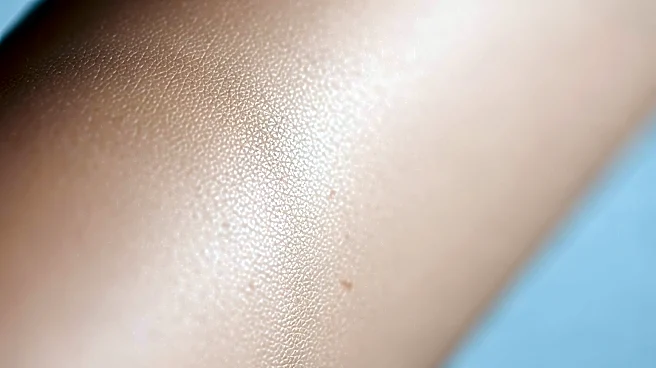









Keratosis pilaris, often referred to as "chicken skin," is a widespread skin condition characterized by small, rough bumps on the skin. These bumps are typically found on the outer sides of the upper arms, thighs, face, back, and buttocks. While the condition is common, especially among children, its prevalence in adults is not well-documented due to underreporting. Despite its frequent occurrence, keratosis pilaris is often mistaken for other skin issues
such as acne or folliculitis.
Characteristics of Keratosis Pilaris
Keratosis pilaris is an autosomal-dominant genetic condition affecting the skin's hair follicles. It manifests as small, gooseflesh-like bumps that can be itchy and inflamed. These bumps are skin-colored and may appear slightly pink in light-skinned individuals or as dark spots in those with darker skin tones. The condition is most commonly seen on the outer sides of the upper arms, but it can also affect other parts of the body, excluding hairless areas like the palms and soles.
The bumps are caused by an overproduction of keratin, a protein that protects the skin from infections and other harmful elements. This excess keratin surrounds and traps hair follicles, leading to the formation of hard plugs. In some cases, these plugs contain ingrown hairs that have coiled within the follicle.
Prevalence and Impact
Keratosis pilaris is the most common disorder of the hair follicle in children, affecting a significant portion of the population. However, its prevalence in adults remains unclear due to underreporting. The condition is more common in individuals with atopic diseases such as allergic rhinitis and atopic dermatitis. Despite its widespread occurrence, keratosis pilaris does not have any known long-term health implications and is not associated with increased mortality or morbidity.
The condition can persist year-round, but symptoms often worsen during colder months when moisture levels in the air are lower. Pregnancy and childbirth can also exacerbate the symptoms. While increased sun exposure might alleviate the symptoms, it is not a guaranteed solution.
Treatment Options
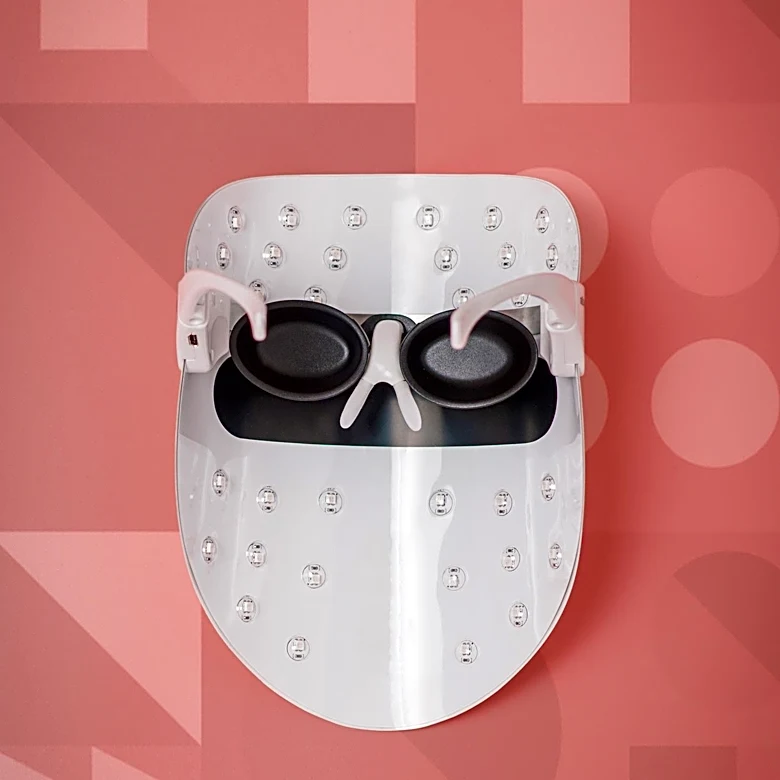
There is no cure for keratosis pilaris, but various treatments can improve its cosmetic appearance. Topical preparations such as moisturizers and medications containing glycolic acid, lactic acid, salicylic acid, urea, or retinoids are commonly used. These treatments help to exfoliate the skin and reduce the appearance of bumps. Laser therapies, including fractional carbon dioxide lasers and Nd:YAG laser treatments, have also shown effectiveness in treating the condition.
Improvement of the skin often takes months, and the bumps are likely to return. Limiting shower duration and using gentle exfoliation techniques can help manage the condition. Despite the lack of a permanent cure, these treatments can significantly enhance the skin's appearance and reduce discomfort.