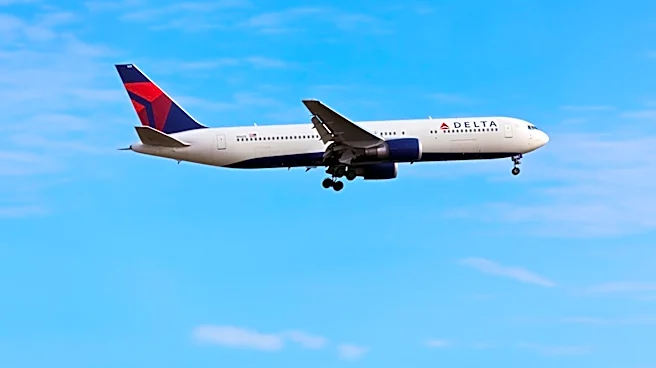






On August 2, 1985, Delta Air Lines Flight 191 met a tragic end near Dallas/Fort Worth International Airport. The Lockheed L-1011 TriStar aircraft, en route from Fort Lauderdale to Los Angeles with a stopover in Dallas, encountered a severe weather phenomenon known as a microburst. This unexpected weather event led to the aircraft crashing short of the runway, resulting in the loss of 137 lives, including one person on the ground. This article delves
into the sequence of events that led to this disaster.
The Flight and Its Challenges
Delta Air Lines Flight 191 was a routine domestic flight that turned catastrophic due to unforeseen weather conditions. As the aircraft approached Dallas/Fort Worth International Airport, it encountered heavy thunder and turbulence. The pilots were instructed to reduce speed to maintain a safe distance from a Learjet ahead of them. Despite the turbulent conditions, the crew remained in communication with air traffic control, who relayed weather updates from the Learjet.
The crew's initial response to the weather was somewhat lighthearted, with the captain joking about the rain. However, the situation quickly escalated as the turbulence intensified. The first officer noted lightning ahead, and the aircraft began to gain speed unexpectedly. The captain warned the first officer to watch the speed, indicating the onset of a microburst.
The Descent and Impact
As the aircraft descended rapidly, the captain instructed the first officer to push the throttles way up in an attempt to regain control. Despite their efforts, the aircraft continued to lose and then gain speed erratically. The Ground Proximity Warning System (GPWS) activated, urging the pilots to pull up, but it was too late.
The aircraft first made contact with the ground with its nose gear, bounced back into the air, and then struck a car on Highway 114, killing the driver instantly. The left side of the plane caught fire, and moments later, the aircraft crashed into a water tank within the airport boundaries. The impact was devastating, resulting in the deaths of 134 people on impact, with two more succumbing to injuries before rescue.
Aftermath and Investigation
The National Transportation Safety Board (NTSB) investigated the crash and attributed it to the flight crew's decision to fly through a thunderstorm, compounded by a lack of training and procedures to handle microbursts. The absence of adequate hazard information on wind shear also played a critical role in the tragedy.
This disaster highlighted the need for improved pilot training and better weather detection systems. It served as a grim reminder of the unpredictable nature of weather and its potential to cause catastrophic events in aviation. The lessons learned from Flight 191 have since influenced safety protocols and training programs to prevent similar tragedies in the future.