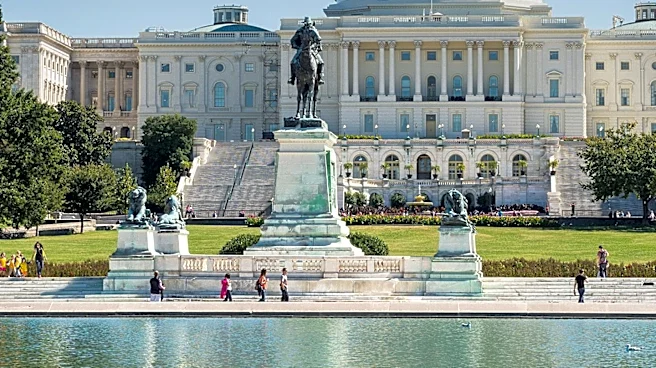








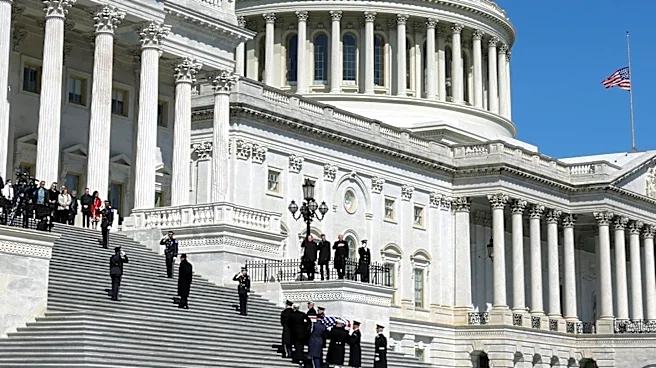
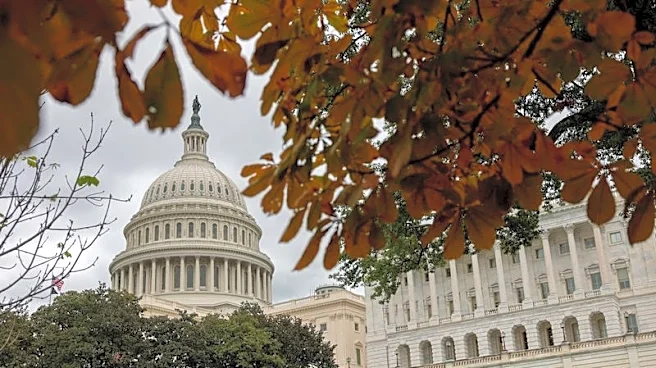
The United States Capitol stands as a monumental example of Neoclassical architecture, a style chosen to evoke the ideals of ancient democracies. Its design, initially conceived by William Thornton, has evolved over centuries to accommodate the growing needs of the U.S. federal government. The building's most recognizable features include its iconic dome, the central rotunda, and the distinct wings housing the two chambers of Congress, all contributing
to its status as a symbol of American legislative power.
The Iconic Dome and Central Rotunda
At the very heart of the Capitol's design is its large central dome, which sits majestically above a circular space known as the rotunda. This dome is a marvel of 19th-century engineering, constructed between 1855 and 1866. It is made of cast-iron, weighing an impressive 8,909,200 pounds (4,009 tonnes), and is adorned with 108 windows that allow light to filter into the interior. The dome's construction replaced an earlier, smaller wooden dome, signifying a period of significant expansion and modernization for the Capitol.
Inside, the rotunda serves as a grand ceremonial space. During the extensive repairs and renovations of the mid-19th century, a large fresco was painted on its ceiling, adding to the artistic and historical richness of the building. This central area acts as a connecting point between the two main wings of the Capitol, symbolizing the unity of the legislative process despite the distinct functions of the House and Senate.
Wings of Power: The Senate and House Chambers
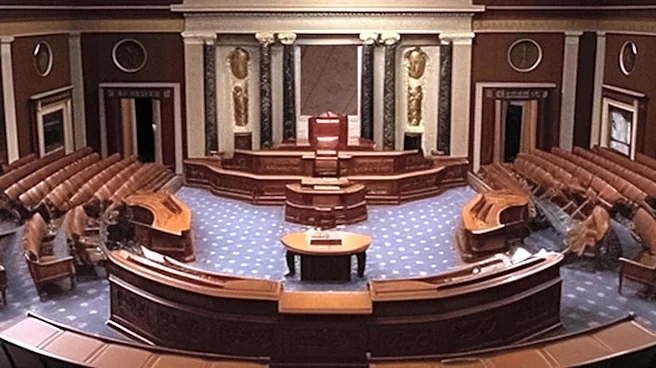
Flanking the central rotunda are two prominent wings, each dedicated to one of the two houses of the U.S. Congress. The north wing is the designated meeting place for the Senate, while the south wing houses the House of Representatives. These wings are often referred to as "chambers," emphasizing their role as the primary legislative spaces. The distinct separation of these chambers underscores the bicameral nature of the U.S. legislature.
Within these chambers, on their top floors, are galleries or balconies. These elevated viewing areas allow the public to observe the proceedings of both the Senate and the House of Representatives from above. This architectural feature highlights the principle of transparency and public access to government, enabling citizens to witness their elected officials in action. The walls of the Senate wing were also enhanced with numerous murals depicting significant events in American history during the 1850s and 1860s, further embedding national narrative within the building's fabric.
Location and Surrounding Complex
The United States Capitol is strategically located in Washington, D.C., atop Capitol Hill, marking the eastern end of the National Mall. This prominent position ensures its visibility and symbolic importance within the nation's capital. The building itself is part of a larger entity known as the United States Capitol Complex, which encompasses a group of twenty buildings, grounds, and facilities. This complex includes various office buildings for the House and Senate, such as the Cannon House Office Building and the Russell Senate Office Building, many of which are connected to the Capitol via an underground network of people movers or footpath tunnels. This extensive complex demonstrates the functional and architectural growth necessitated by the expanding federal government.