





Yoga asanas, or poses, have a rich history that spans centuries, evolving from ancient meditation postures to the dynamic exercises practiced today. Among these modern poses is the Revolved Side Angle Pose, which highlights the ongoing development of yoga as a physical and spiritual practice. This article delves into the evolution of yoga asanas, focusing on how modern poses like the Revolved Side Angle Pose came to be.
Historical Roots of Yoga Asanas
Yoga asanas originated in India,
with early references found in ancient texts like the Yoga Sutras of Patanjali. Initially, asanas were primarily seated meditation postures, designed to facilitate prolonged periods of meditation. The focus was on achieving a steady and comfortable position, which was considered essential for spiritual progress. Over time, the practice of asanas expanded beyond meditation, incorporating a variety of postures that included standing, reclining, and balancing poses.
The medieval period saw the development of hatha yoga, which introduced more dynamic and physically demanding asanas. Texts like the Hatha Yoga Pradipika described 84 classic asanas, though only a few were detailed. These poses were believed to offer both spiritual and physical benefits, such as increased flexibility and strength, as well as the ability to control the breath and mind.
The Rise of Modern Yoga
The 20th century marked a significant turning point in the evolution of yoga asanas. Influential teachers like Krishnamacharya, B.K.S. Iyengar, and Pattabhi Jois played pivotal roles in popularizing yoga in India and the Western world. They introduced new asanas and refined existing ones, creating a system of yoga that emphasized physical fitness alongside spiritual growth.
Krishnamacharya, often referred to as the father of modern yoga, developed a unique blend of hatha yoga, wrestling exercises, and Western gymnastics. His students, including Iyengar and Jois, further expanded on his teachings, each developing their own styles of yoga. Iyengar's "Light on Yoga," published in 1966, described around 200 asanas, many of which were new or modified versions of traditional poses.
The Emergence of the Revolved Side Angle Pose
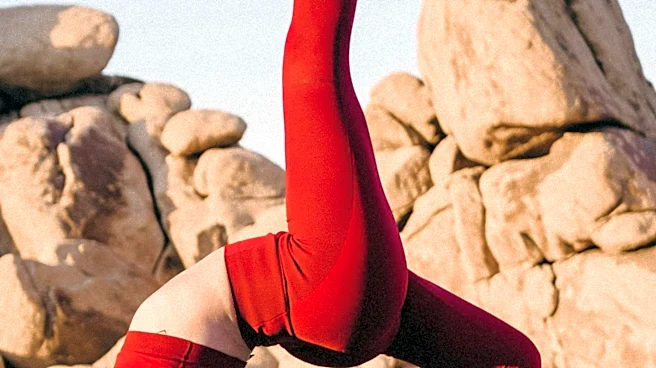
The Revolved Side Angle Pose, or Parivritta Parsvakonasana, is a prime example of a modern yoga asana. It was not included in Pattabhi Jois's "Yoga Mala" in 1962, indicating its relatively recent origin. The pose was popularized by B.K.S. Iyengar, who was known for his innovative approach to yoga asanas.
This pose, like many others developed in the 20th century, reflects a shift towards a more dynamic and physically challenging practice. It combines elements of balance, flexibility, and strength, embodying the holistic nature of modern yoga. The Revolved Side Angle Pose, along with other contemporary asanas, demonstrates the adaptability and enduring appeal of yoga as a practice that continues to evolve and inspire practitioners worldwide.