



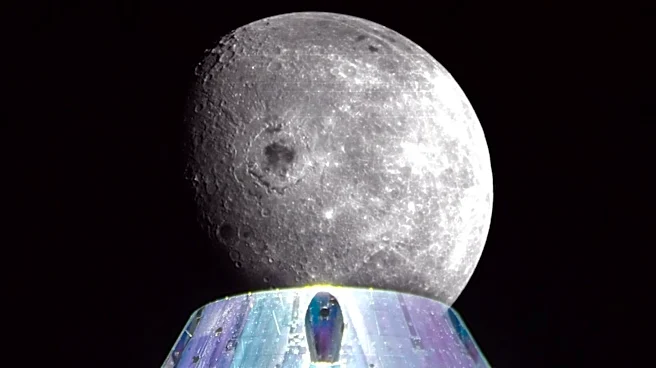


Apollo 11 marked a monumental achievement in human history as the first manned mission to land on the Moon. This mission, part of NASA's Apollo program, was a significant milestone in the Space Race between the United States and the Soviet Union. The journey of Apollo 11, from its launch to the safe return of its crew, is a story of human ingenuity and determination.
Launch and Lunar Journey
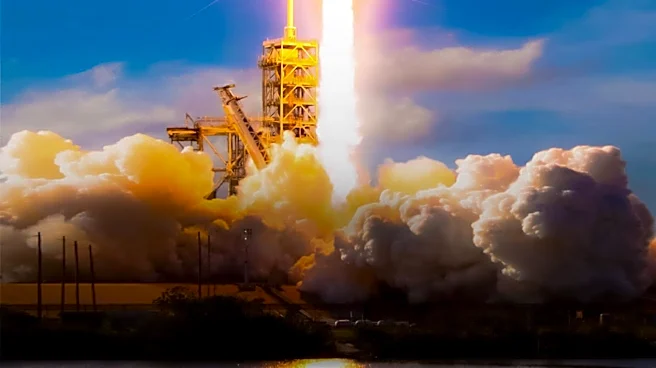
Apollo 11 was launched from Kennedy Space Center in Florida on July 16, 1969, at 13:32
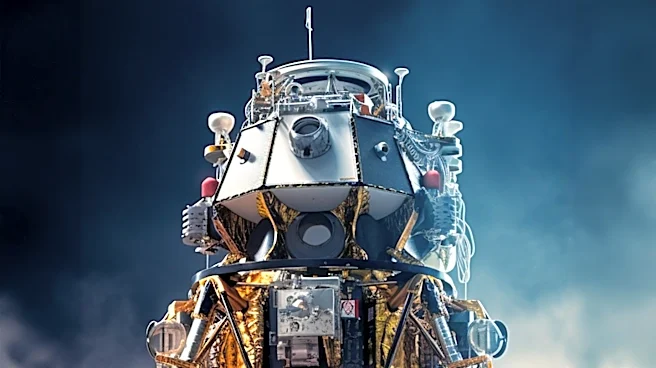
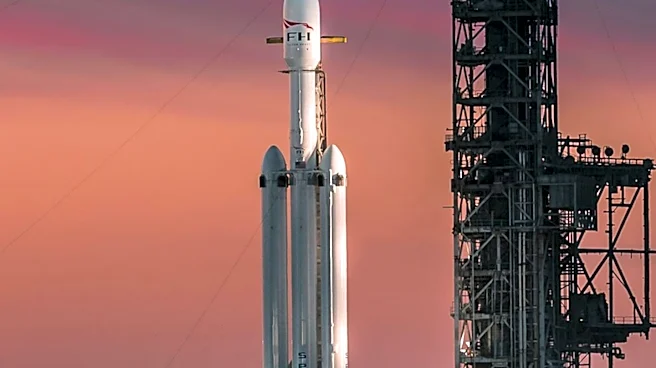
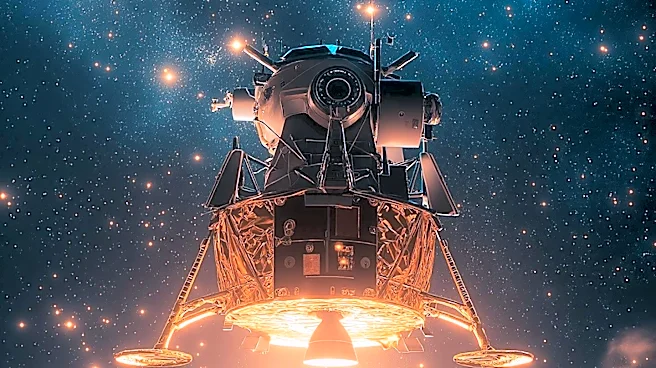
UTC. The spacecraft was carried by the powerful Saturn V rocket, which was crucial for the mission's success. The Apollo spacecraft consisted of three parts: the command module, the service module, and the lunar module. The command module housed the astronauts and was the only part to return to Earth. The service module provided essential support, including propulsion and life support, while the lunar module was designed for landing on the Moon.
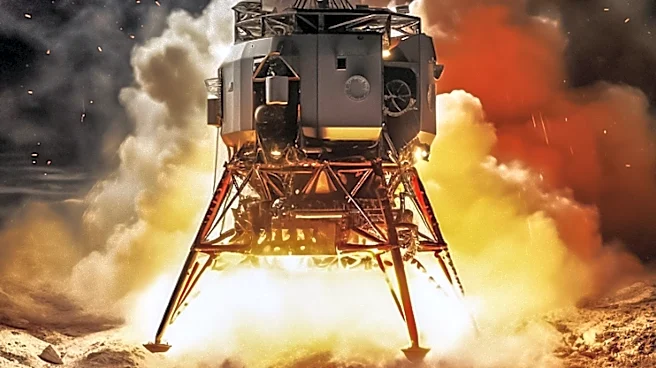
After a three-day journey through space, the spacecraft reached lunar orbit. On July 20, 1969, Neil Armstrong and Buzz Aldrin descended to the Moon's surface aboard the lunar module, named Eagle. Michael Collins remained in lunar orbit aboard the command module, Columbia, ensuring a safe return for his fellow astronauts.
Moon Landing and Exploration
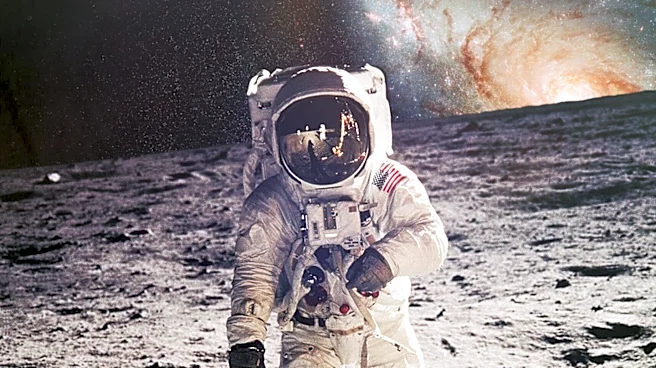
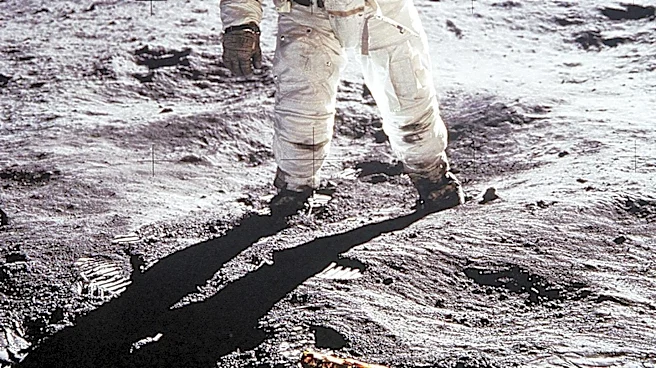
The lunar module Eagle landed in the Sea of Tranquility on July 20 at 20:17 UTC. Approximately six hours after landing, Neil Armstrong became the first human to set foot on the Moon, followed by Buzz Aldrin. Armstrong's first words upon stepping onto the lunar surface, "That's one small step for [a] man, one giant leap for mankind," were broadcast live to an estimated 600 million viewers worldwide.
During their time on the Moon, Armstrong and Aldrin spent about two and a half hours walking on the surface. They conducted experiments, deployed scientific instruments, and collected 21.5 kilograms of lunar material. Their activities were carefully planned to maximize the scientific return of the mission.
Return to Earth
After spending more than 21 hours on the lunar surface, Armstrong and Aldrin rejoined Collins in lunar orbit. The lunar module's ascent stage successfully launched them back to the command module. The crew then began their journey back to Earth, splashing down in the Pacific Ocean on July 24, 1969.
The successful completion of Apollo 11 fulfilled President John F. Kennedy's goal of landing a man on the Moon and returning him safely to Earth before the end of the decade. The mission was a triumph of human spirit and technological prowess, marking a significant victory for the United States in the Space Race.