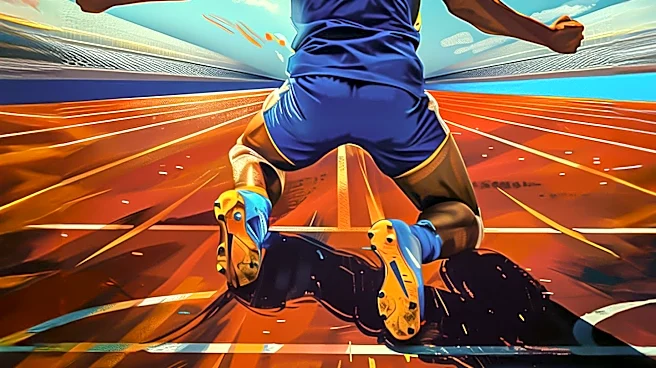




The 1908 Summer Olympics in London were pivotal in shaping the modern marathon. The events of the men's marathon race not only captivated audiences but also led to significant changes in how marathons are conducted today. The controversies and challenges faced during this race highlighted the need for standardized rules and distances, which have since become integral to the sport.
Setting the Standard Distance
Before the 1908 Olympics, marathon distances varied widely. The London
Games were the first to set the marathon distance at 26 miles and 385 yards, a length chosen to accommodate a start at Windsor Castle and a finish in front of the royal box at the Olympic Stadium. This specific distance was later adopted as the standard for marathons worldwide, providing consistency for future races.
The decision to standardize the marathon distance was influenced by the dramatic events of the 1908 race. The additional yards added to the traditional 26-mile distance were crucial in the race's outcome, as they contributed to the exhaustion and collapse of the leading runner, Dorando Pietri. This highlighted the need for a consistent and fair distance for all competitors.
Rule Changes and Fair Play
The 1908 marathon also underscored the importance of clear rules and fair play. Dorando Pietri's disqualification for receiving assistance from officials during the race brought attention to the need for impartiality and consistency in officiating. The controversy surrounding his finish led to discussions about the role of officials and the importance of ensuring that all athletes compete under the same conditions.
These discussions resulted in the establishment of standardized rules for marathons, including the prohibition of outside assistance. This change aimed to ensure that all competitors had an equal opportunity to succeed, free from external influences that could affect the race's outcome.
Lasting Influence on the Sport
The 1908 Olympics were a turning point for the marathon, setting precedents that continue to influence the sport today. The standardization of the marathon distance and the emphasis on fair play have become cornerstones of marathon racing, ensuring that the competition remains consistent and equitable for all participants.
The legacy of the 1908 marathon is evident in every modern race, where athletes compete over the same distance and under the same rules established over a century ago. This consistency has allowed the marathon to grow into one of the most popular and respected events in the world of athletics.