


Crazy Rich Asians, released on August 15, 2018, marked a significant moment in Hollywood history. As the first major studio film since 1993's The Joy Luck Club to feature a majority Asian cast, it brought Asian representation to the forefront of American cinema. The film, directed by Jon M. Chu, is based on Kevin Kwan's 2013 novel of the same name and has grossed over $238 million worldwide. Its success has sparked discussions about diversity and representation in the film industry.
A Milestone in Representation
Crazy Rich Asians is celebrated for its groundbreaking representation of Asian characters in a Hollywood film. Before its release, it had been 25 years since a major studio produced a film with a predominantly Asian cast. This gap highlighted the lack of representation and opportunities for Asian actors in Hollywood. The film's success demonstrated that there is a significant audience for stories centered around Asian characters, challenging the industry's long-held beliefs about marketability.
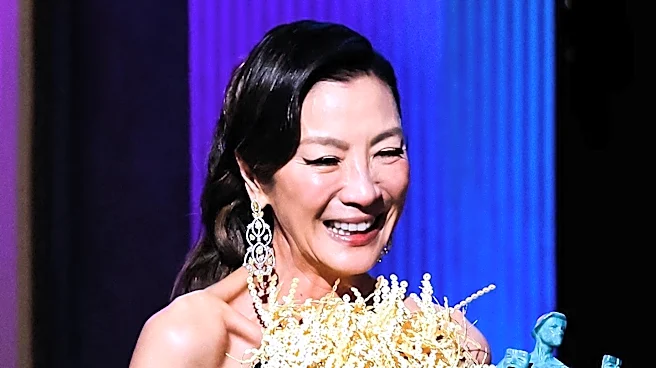
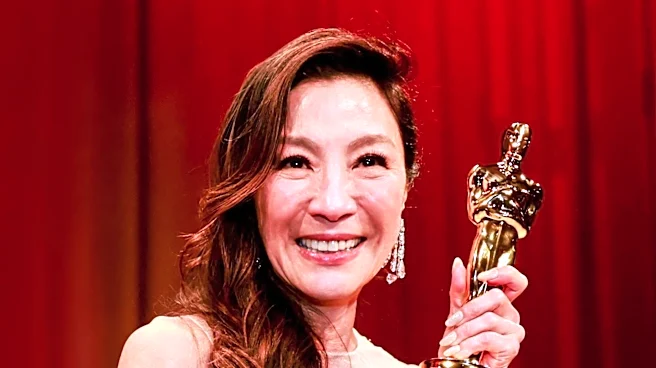
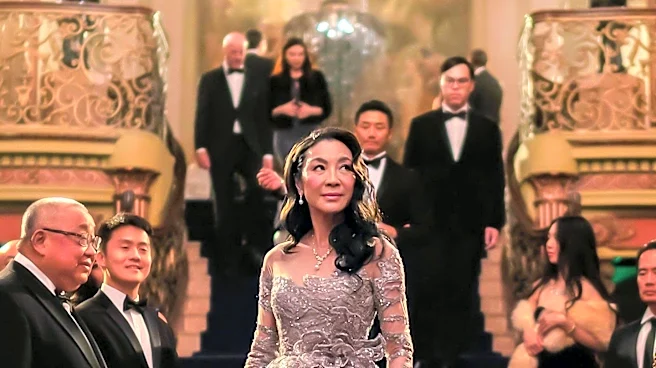
The film's cast, including Constance Wu, Henry Golding, and Michelle Yeoh, brought to life a story that resonated with many viewers. It showcased a variety of Asian cultures and experiences, moving beyond stereotypes and offering a more nuanced portrayal of Asian characters. This representation was not only important for Asian audiences but also for non-Asian viewers, who were given a glimpse into a world that is often underrepresented in mainstream media.
Positive Reception and Critical Acclaim
Critics praised Crazy Rich Asians for its vibrant production design and engaging performances. The film's success at the box office and its positive reviews highlighted the demand for diverse storytelling. It was lauded for its ability to blend humor, romance, and drama while addressing themes of family, identity, and cultural expectations.
The film's soundtrack, featuring a mix of contemporary and classic songs, further enriched the cultural tapestry of the movie. Director Jon M. Chu and music supervisor Gabe Hilfer curated a multilingual soundtrack that included Chinese songs from the 1950s and 1960s, as well as modern hits. This musical diversity added depth to the film's cultural representation and was well-received by audiences.
The Path Forward
The success of Crazy Rich Asians has paved the way for more films with diverse casts and stories. It has encouraged studios to invest in projects that reflect the multicultural world we live in. The film's impact extends beyond the screen, as it has inspired conversations about representation and inclusivity in Hollywood.
A sequel to Crazy Rich Asians is in development, promising to continue the story and further explore the rich tapestry of Asian culture. As the film industry evolves, Crazy Rich Asians stands as a testament to the power of representation and the importance of telling diverse stories.