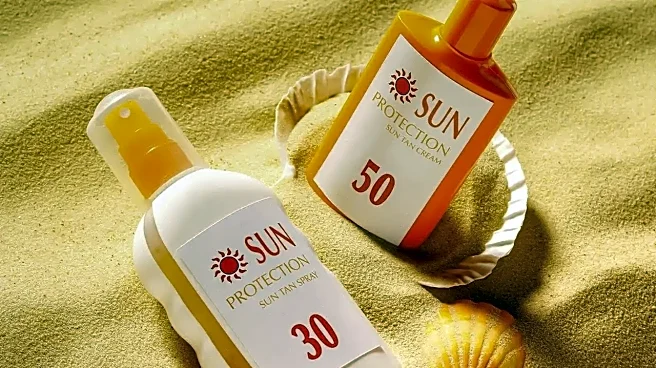

Avobenzone is a crucial ingredient in many sunscreen products, known for its ability to absorb the full spectrum of UVA rays. This organic molecule, also known by trade names such as Parsol 1789 and Milestab
1789, plays a significant role in protecting the skin from harmful ultraviolet radiation. Despite its widespread use, avobenzone's stability and effectiveness have been subjects of ongoing research and development. This article delves into the properties of avobenzone, its role in sunscreen formulations, and the challenges associated with its use.
Avobenzone's Unique Properties
Avobenzone is an oil-soluble ingredient that stands out for its ability to absorb UVA rays across a broad range of wavelengths. This capability makes it a preferred choice for formulating broad-spectrum sunscreens. The compound is a derivative of dibenzoylmethane and exists in a ground state as a mixture of enol and keto forms, with a preference for the chelated enol form. This enol form is stabilized by intramolecular hydrogen bonding within the β-diketone, which contributes to its effectiveness in absorbing ultraviolet light.
The absorption maximum of avobenzone is at 357 nm, allowing it to cover a wider range of UVA wavelengths than many other sunscreen agents. This broad-spectrum absorption is essential for protecting the skin from the deeper-penetrating UVA rays, which are known to contribute to skin aging and the risk of skin cancer.
Challenges in Stability and Photodegradation
One of the main challenges with avobenzone is its stability when exposed to sunlight. Avobenzone is known to degrade significantly under UV exposure, which can reduce its effectiveness over time. This degradation is a result of the compound's sensitivity to the properties of the solvent and its tendency to generate a triplet excited state in the keto form when irradiated with UVA light. This state can lead to the breakdown of avobenzone or transfer energy to biological targets, potentially causing harmful effects.
To address these stability issues, avobenzone is often formulated with photostabilizers such as octocrylene. These stabilizers help slow down the degradation process, ensuring that the sunscreen remains effective for longer periods. Additionally, complexing avobenzone with cyclodextrins or incorporating antioxidant compounds like vitamin C and E can further enhance its photostability.
Regulatory and Environmental Considerations
Despite its approval by the FDA in 1988, avobenzone does not have the status of being generally recognized as safe and effective (GRASE) due to the need for more safety data. This has led to some regulatory challenges, particularly in regions concerned about environmental impacts. For instance, avobenzone was banned by the Palau government in 2020 due to concerns about reef toxicity.
The environmental impact of avobenzone, particularly its potential to harm marine ecosystems, is an area of active research. As a result, there is a growing interest in developing more sustainable and environmentally friendly sunscreen formulations that can provide effective UV protection without adverse ecological effects.
In conclusion, while avobenzone remains a vital component in sunscreen formulations for its broad-spectrum UVA protection, ongoing research and innovation are crucial to overcoming its stability challenges and addressing environmental concerns.