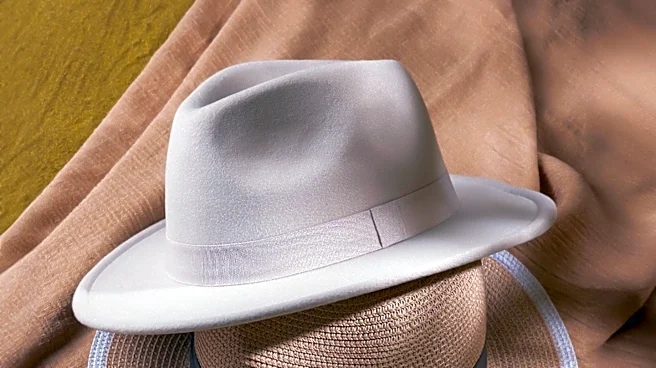







Panama hats are renowned for their elegance and quality, but what truly sets them apart is the intricate craftsmanship involved in their creation. Originating from Ecuador, these hats are made from the plaited leaves of the Carludovica palmata plant, known locally as the toquilla palm. This article delves into the detailed process of crafting a Panama hat, highlighting the skill and dedication required.
Weaving Techniques and Quality
The creation of a Panama hat begins with the
weaving of the toquilla straw. The two most common types of weaves are the cuenca and brisa. The cuenca weave resembles a herringbone pattern and uses slightly more straw, while the brisa weave appears as small diamonds or squares. Although less intricate, the brisa weave is perceived as finer by some due to its lighter weight.
The quality of a Panama hat is defined by the tightness of the weave. Historically, a simple square tool was used to measure the tightness, counting the peaks of the cross weaves called carerra. The tighter the weave, the more carerras were counted, resulting in a higher grade. A highly refined grade 20 would consist of 16 carerras, showcasing the precision and skill involved in the weaving process.
The Role of Master Weavers
Master weavers play a crucial role in the production of Panama hats, with some taking as long as eight months to weave a single hat. These artisans are responsible for creating the finest "Montecristi superfinos," known for their exceptional quality and tight weave. The rarest and most expensive Panama hats are hand-woven with up to 3000 weaves per square inch, a testament to the weaver's expertise.
Once a hat is woven, it undergoes additional processes such as finishing the brim, shaping, removing imperfections, bleaching the straw, and adding interior and exterior brands. These steps ensure the hat's durability and aesthetic appeal, making it a sought-after accessory worldwide.
Sustaining Tradition and Quality
Despite the availability of cheaper imitations, the quality of Ecuadorian toquilla palm hats remains unmatched. Companies like K. Dorfzaun and Andes Munay specialize in exporting genuine Panama hats, supporting local artisans and preserving the traditional craftsmanship.
The Panama hat continues to be a symbol of elegance and sophistication, cherished for its quality and timeless appeal. The dedication of master weavers and the intricate production process ensure that each hat is a unique work of art, embodying the rich cultural heritage of Ecuador.