




The Tehran Conference, held in late 1943, was not solely focused on immediate wartime strategy; it also served as a critical forum for the Allied leaders to begin envisioning and shaping the post-war world. Joseph Stalin, Franklin D. Roosevelt, and Winston Churchill engaged in discussions that would lay the foundational principles for international cooperation, the future of defeated nations, and the geopolitical landscape that would emerge after
World War II. The decisions and preliminary agreements made in Tehran had profound and lasting implications for global order.
The Genesis of the United Nations
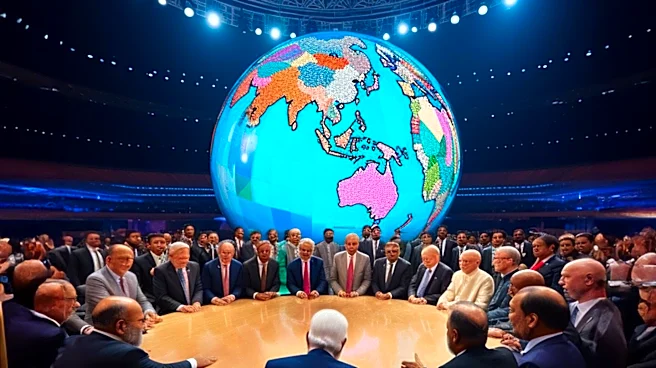
One of the most forward-looking outcomes of the Tehran Conference was the initial conversation surrounding the formation of a new international organization. President Roosevelt introduced the idea to Stalin, proposing a global body comprising all nation-states. The vision was to create a venue for the resolution of common issues and, crucially, a mechanism to check international aggressors. The devastating impact of Germany having plunged the world into chaos for the second time in as many generations underscored the urgent need for such an institution. All three world leaders—Roosevelt, Churchill, and Stalin—agreed that a new framework was essential to prevent similar occurrences in the future.
This early discussion at Tehran was a significant step toward the eventual establishment of the United Nations. It demonstrated a shared commitment among the major Allied powers to move beyond traditional power politics and create a more structured system for maintaining global peace and security. While the detailed charter and structure of the United Nations would be developed in subsequent conferences, the Tehran meeting provided the initial conceptual agreement and political will necessary to launch this ambitious project, aiming to foster cooperation and prevent future conflicts on a global scale.
The Future of Germany and Soviet Ambitions
Another pivotal aspect of the post-war planning at Tehran concerned the future of Germany. There was a shared consensus among the participants that a post-war division of Germany was necessary. The primary objective was to neutralize Germany's ability to wage war again, a concern deeply rooted in the experiences of two world wars. While the leaders differed on the specific number of divisions required, the principle of dismemberment or significant territorial alteration was agreed upon. Although the proposed numbers for division varied widely and never fully materialized as initially discussed, the powers effectively divided modern Germany into two distinct parts, a geopolitical reality that persisted until the end of the Cold War.
The conference also offered glimpses into the Soviet Union's post-war ambitions. During a dinner, Churchill directly questioned Stalin about his territorial desires after the war. Stalin's response was telling: "There is no need to speak at this present time about any Soviet Desires, but when the time comes we will speak." This statement, while seemingly non-committal, signaled that the Soviet Union had clear intentions for territorial adjustments and spheres of influence, particularly in Eastern Europe. These underlying ambitions, combined with the discussions on Germany's future, highlighted the complex and often divergent interests that would shape the post-war international order and contribute to the emerging Cold War dynamics.