






The mid-1970s marked a period of immense creative output and personal upheaval for Fleetwood Mac, culminating in two of their most successful albums: the 1975 self-titled release and the legendary 1977 album, "Rumours." These records were not merely commercial successes; they were products of intense collaboration, evolving musical dynamics, and deeply intertwined personal relationships. The stories behind their creation offer a fascinating glimpse
into the band's journey from a transitional phase to global superstardom.
Forging a New Sound: The 1975 Album Sessions
After Bob Welch's departure in late 1974, Fleetwood Mac found its new direction with the addition of Lindsey Buckingham and Stevie Nicks. This new lineup quickly entered the studio to record their self-titled album, released in 1975. The recording sessions, which began in January 1975 at Sound City, were a blend of established material and new compositions. Buckingham and Nicks brought with them demos for songs like "Rhiannon," "I'm So Afraid," and "Monday Morning," originally intended for a second Buckingham Nicks album. "Crystal" was also recycled from their first album and re-arranged for Fleetwood Mac.
Christine McVie, a seasoned member, also contributed significantly, writing songs such as "Warm Ways" and "Over My Head" on her Hohner Pianet in her Malibu apartment. She acknowledged the challenge of competing with the strong material from Buckingham and Nicks, which motivated her to improve her own songwriting. Producer Keith Olsen noted that most songs were relatively easy to record, often taking around five takes to capture the right feel. However, "Rhiannon" proved to be an exception, requiring over a day to achieve the basic track, with Olsen eventually splicing together sections from different takes. The album's artwork, photographed by Herbert W. Worthington, featured Mick Fleetwood and John McVie, with Fleetwood posing with a cane and drinking from a wine glass next to McVie, who gazed at a crystal ball, reflecting the band's evolving image.
The Tumultuous Creation of "Rumours"
The immense success of the 1975 album, which reached number one in the U.S., set high expectations for its follow-up. "Rumours," released in 1977, not only met but exceeded these expectations, becoming one of the best-selling albums of all time. However, its creation was famously marked by profound personal strife within the band. The McVies divorced in August 1976, and Buckingham and Nicks were also experiencing frequent arguments. These personal tensions were openly discussed in the press, adding a layer of dramatic intrigue to the band's public image.
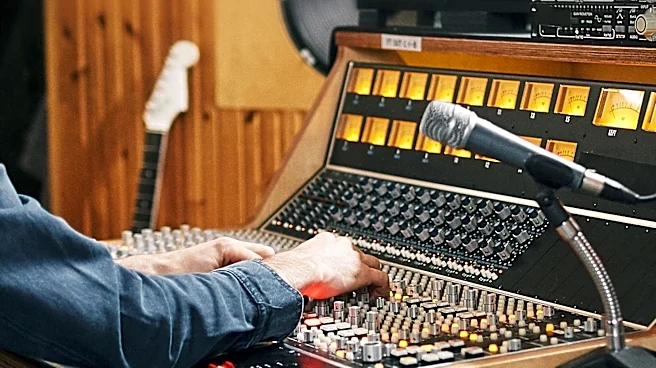
Recording for "Rumours" largely took place at Sausalito's Record Plant, a unique wooden structure. Despite the band's internal conflicts, Mick Fleetwood's determination was key to keeping the group together. He even took on more managerial responsibility, arguing that an external manager would be less effective with such dynamic personalities. The recording environment itself was unconventional; Chris Stone, one of the Record Plant's owners, recalled that the band would often feast and party until the early hours before beginning to record. The members also began using cocaine during this period, with Fleetwood noting in his autobiography that it helped alleviate the boredom of long studio hours. Despite, or perhaps because of, this tumultuous atmosphere, the band members sensed they had created something "pretty powerful" after the final mastering stage, a feeling validated by the album's monumental commercial and critical success, including a Grammy Award for Album of the Year.