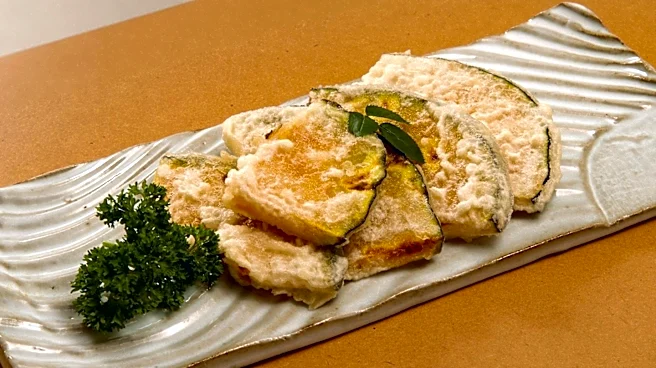






Tempura is more than just a popular dish in Japan; it holds cultural and social significance that reflects the country's culinary traditions and historical influences. This article examines the role of tempura in Japanese society, highlighting its impact on dining practices and cultural identity.
Tempura as a Symbol of Cultural Exchange
The introduction of tempura to Japan by Portuguese missionaries in the 16th century marked a significant moment of cultural exchange. The adoption of Western
frying techniques into Japanese cuisine illustrates the openness of Japanese society to foreign influences. This exchange not only enriched the culinary landscape but also fostered a sense of global interconnectedness.
Tempura's origins are tied to religious observance, with the term "tempura" derived from the Latin "tempora," referring to periods of abstinence from meat. This connection to Christian holy days underscores the blending of cultural practices, as Japanese cuisine integrated foreign methods while maintaining its own traditions.
Tempura in Japanese Dining Culture
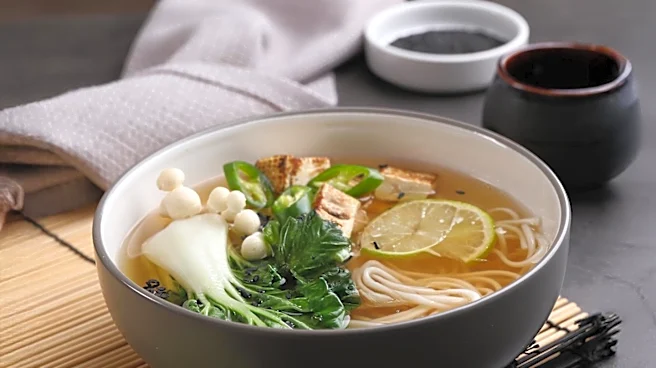
Tempura has become an integral part of Japanese dining culture, often enjoyed in both casual and formal settings. Its presence in street food stalls during the Edo period contributed to its widespread popularity, making it accessible to people from all walks of life. The dish's versatility allows it to be served as a standalone meal or as part of a larger dining experience, such as in bowls of soba or udon.
The preparation and consumption of tempura reflect the Japanese emphasis on freshness and quality. The dish is typically served hot, immediately after frying, to preserve its crisp texture. This focus on immediacy and quality is a hallmark of Japanese culinary practices, where the presentation and timing of food are as important as the flavors themselves.
Tempura's Role in Modern Japanese Cuisine
In contemporary Japan, tempura continues to be a beloved dish, celebrated for its adaptability and flavor. It is often featured in seasonal menus, showcasing the variety of ingredients available throughout the year. The dish's ability to incorporate different elements, from seafood to vegetables, highlights the creativity and innovation inherent in Japanese cooking.
Tempura's enduring popularity is a testament to its cultural significance, representing a fusion of historical influences and modern culinary practices. As a symbol of Japan's rich culinary heritage, tempura remains a cherished part of the country's identity, enjoyed by locals and visitors alike.