



The 1980s was a pivotal decade for punk fashion, marked by significant changes and developments. As punk music evolved, so did its distinctive style, leading to new trends and influences. This article explores the transformation of punk fashion during the 1980s, highlighting key changes and the emergence of new subcultures.
The Rise of Hardcore Punk Fashion
In the early 1980s, punk fashion underwent a transformation with the rise of hardcore punk. This subculture emphasized a utilitarian
anti-fashion approach, characterized by raw and intimidating styles. Hardcore punk fans adopted a dressed-down look, favoring T-shirts, jeans, combat boots, and crewcut-style haircuts.
Women in the hardcore scene typically wore army pants, band T-shirts, and hooded sweatshirts. This style contrasted with the more provocative fashion of late 1970s punk rockers, who favored elaborate hairdos, torn clothes, and safety pins. Hardcore punk fashion was about functionality and simplicity, reflecting the subculture's focus on music and attitude.
The Commercialization of Punk Fashion
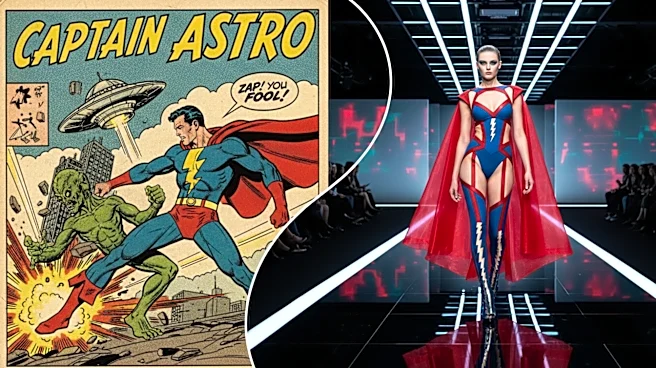
As punk fashion gained popularity, it became increasingly commercialized. Designers like Vivienne Westwood and Jean Paul Gaultier incorporated punk elements into their collections, showcasing them on international runways. This marked a shift from punk's original DIY ethos to a more standardized and mainstream style.
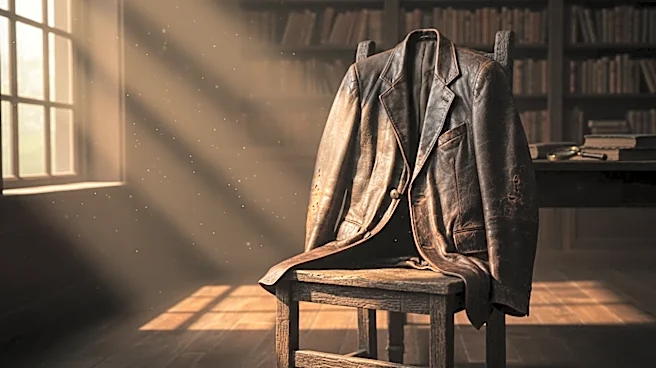
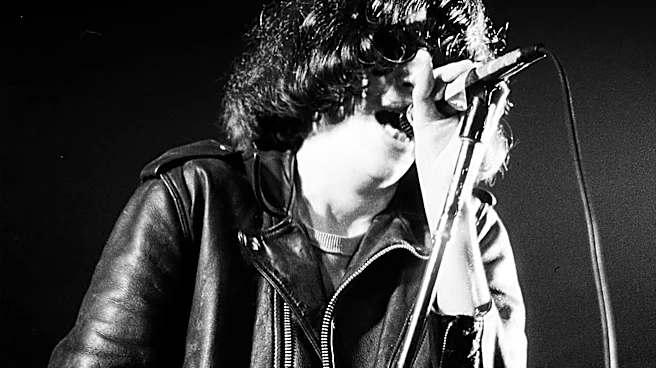
The commercialization of punk fashion led to the creation of a uniform look, with spiky hair, leather jackets, and studded accessories becoming hallmarks of the style. While this undermined the individuality that was central to the punk movement, it also helped bring punk fashion to a wider audience.
The Emergence of New Subcultures
The 1980s saw the emergence of new subcultures within the punk scene, each with its own distinct style. The Oi!/street punk and UK82 movements in Britain introduced new fashion trends, while the US scene was exemplified by hardcore bands like Black Flag and Minor Threat.
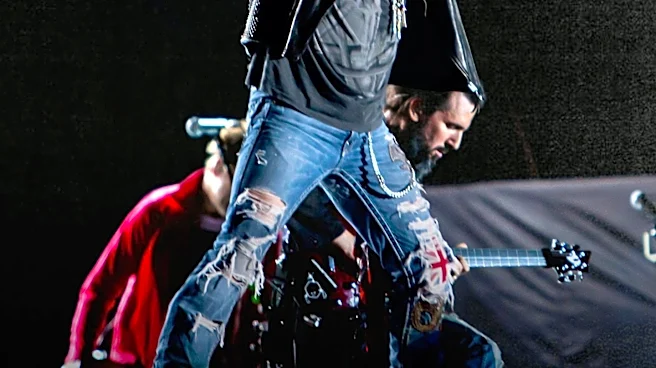
These subcultures brought new elements to punk fashion, such as Dr. Martens boots, motorcycle boots, and combat boots adorned with bandanas and chains. Jeans, tartan kilts, and leather skirts became popular items, while heavy chains and bullet belts were used as accessories.
The 1980s was a decade of transformation for punk fashion, marked by the rise of hardcore punk, commercialization, and the emergence of new subcultures. These changes helped shape the punk style we recognize today, proving that punk fashion is ever-evolving.