







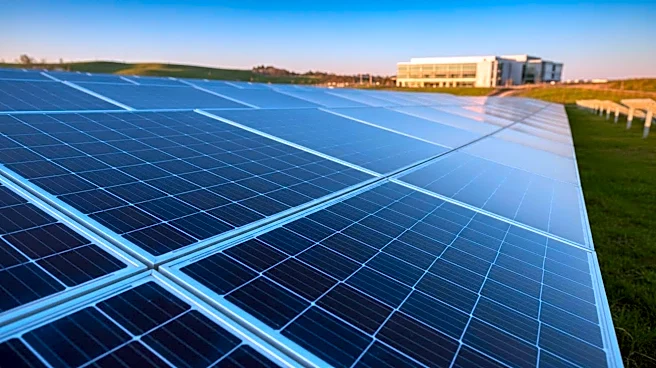


Solar power has had a unique journey at the White House, reflecting broader trends in renewable energy adoption in the United States. From its initial installation in 1979 to its removal and eventual reinstallation, the story of solar panels at the White House is a testament to changing attitudes towards sustainable energy.
Early Adoption and Removal
The first introduction of solar power at the White House occurred in 1979 under the administration of President Jimmy Carter.
This initiative was part of a broader effort to promote renewable energy sources during a time of energy crisis. The solar panels were installed to heat water, symbolizing a commitment to exploring alternative energy solutions. However, this initial foray into solar energy was short-lived.
In 1986, during the Reagan administration, the solar panels were removed. The official reason given was the need to resurface the roof, but the removal also coincided with a shift in energy policy that favored traditional fossil fuels over renewable sources. The panels were stored in a warehouse, and their absence marked a period where solar energy was not a priority at the White House.
Reintroduction in the 21st Century
The story of solar power at the White House took a positive turn in the early 21st century. In 2010, under the Obama administration, Secretary of Energy Steven Chu announced plans to reinstall solar panels on the White House roof. This decision was part of a broader strategy to lead by example in the transition to a clean energy economy.
By 2013, new solar panels were installed, marking the first time solar power was used for the president's living quarters. This move was symbolic of a renewed commitment to sustainable energy practices and demonstrated the potential of solar power to contribute to energy needs at the highest levels of government.
Legacy and Impact
The journey of solar power at the White House reflects broader trends in the adoption of renewable energy in the United States. The initial installation in 1979 was a pioneering step, but its removal highlighted the challenges and changing priorities in energy policy. The reinstallation in the 21st century signaled a shift towards embracing renewable energy as a viable and necessary component of the nation's energy strategy.
Today, the presence of solar panels at the White House serves as a powerful symbol of the potential for renewable energy to play a significant role in reducing carbon emissions and promoting sustainability. It underscores the importance of leadership in adopting and promoting clean energy solutions, setting an example for the nation and the world.