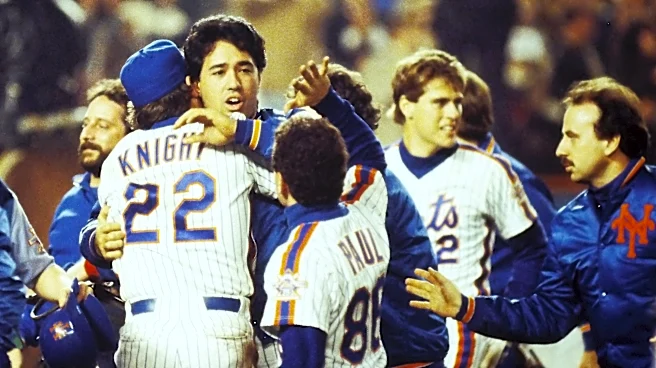







The 1986 World Series, the 83rd edition of Major League Baseball's championship series, is perhaps best remembered not for the New York Mets' ultimate victory, but for a single, dramatic moment in Game 6. This pivotal game saw the Boston Red Sox, holding a 3-2 series lead, come agonizingly close to securing the championship, only for a late-inning collapse and a now-infamous error to shift the momentum decisively. The events of Game 6 became etched
into baseball lore, particularly for Red Sox fans, and played a significant role in the narrative of the "Curse of the Bambino."
A Championship Within Reach
Heading into Game 6, the Boston Red Sox were in a commanding position, leading the New York Mets three games to two. They were just one win away from their first World Series title since 1918, a drought that had become a defining characteristic of the franchise. The atmosphere was charged with anticipation, as Red Sox fans believed their long wait was finally coming to an end. The team had performed strongly throughout the season, winning the American League East division by 5.5 games over their rivals, the New York Yankees, marking the first time since 1904 that these two teams finished first and second in the standings.
As Game 6 unfolded, the Red Sox maintained their lead, and by the bottom of the 10th inning, they were twice just one strike away from clinching the championship. The Mets, however, mounted a remarkable rally. Despite having two outs and no one on base, they managed to tie the game, setting the stage for one of the most dramatic and heartbreaking plays in World Series history. The tension in the stadium was palpable, as both teams battled fiercely for every out and every run.
The Infamous Error and Its Aftermath
The turning point of Game 6 came when Boston first baseman Bill Buckner made a critical fielding error. This error allowed the Mets to score the winning run in the 10th inning, tying the series at three games apiece. The collapse was sudden and devastating for the Red Sox, transforming what seemed like an assured victory into a crushing defeat. The image of the ball rolling through Buckner's legs became an enduring symbol of the Red Sox's championship drought and a central piece of the "Curse of the Bambino" narrative, which was used to explain the team's inability to win a World Series between 1918 and 2004.
The impact of this single play extended far beyond the immediate outcome of Game 6. It not only denied the Red Sox the championship that night but also profoundly affected the morale of the team and its fanbase. The Mets, buoyed by their improbable comeback, carried that momentum into Game 7. The psychological shift was immense; a team that was on the brink of defeat suddenly found new life, while the team that was on the cusp of glory was left to grapple with a monumental missed opportunity. The error became a defining moment, overshadowing many other aspects of the series.
From Collapse to Championship
Following their dramatic Game 6 victory, the New York Mets went on to win Game 7, securing the 1986 World Series title. This marked their second and, to date, most recent World Series championship. The Mets' ability to rally from a two-run deficit in the 10th inning of Game 6, with two outs and no one on base, showcased their resilience and determination. The series victory cemented their place in baseball history, while for the Red Sox, Game 6 became a painful reminder of how close they came to breaking their long-standing curse. The 1986 World Series remains a classic example of how a single play can alter the course of a championship and create an indelible memory in the minds of sports fans.