




The Siege of Vicksburg is often studied as a classic example of military strategy and tactics during the American Civil War. The Union forces, led by General Ulysses S. Grant, employed a combination of direct assaults, siege tactics, and strategic maneuvers to capture the Confederate stronghold. This article examines the military tactics used during the siege and how they contributed to the Union's success.
Initial Assaults and Strategic Decisions
The Union's campaign against Vicksburg began
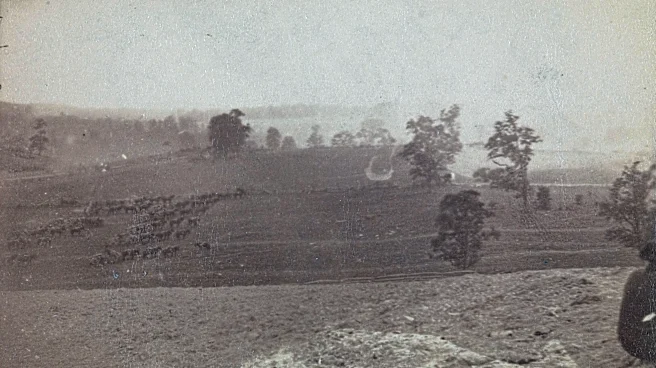
with two major assaults on May 19 and 22, 1863. These attacks aimed to break through the Confederate defenses and capture the city quickly. However, the Confederate fortifications, built on high ground with steep slopes, proved to be formidable obstacles. The Union forces suffered heavy casualties in these initial assaults, leading Grant to reconsider his approach.
Recognizing the strength of the Confederate defenses, Grant decided to lay siege to the city. This decision marked a shift in tactics, as the Union forces focused on cutting off supplies and reinforcements to the Confederate garrison. By encircling Vicksburg and controlling the surrounding area, the Union forces effectively isolated the city, setting the stage for a prolonged siege.
Siege Tactics and Engineering
The siege of Vicksburg involved extensive engineering efforts by the Union forces. Soldiers constructed a network of trenches, gun pits, and fortifications to encircle the city and protect themselves from Confederate fire. These "ditches," as they were called, allowed the Union forces to gradually advance closer to the Confederate lines while minimizing their exposure to enemy fire.
In addition to the trenches, the Union forces employed artillery to bombard the city continuously. Union gunboats on the Mississippi River also played a crucial role, firing thousands of shells into Vicksburg and further weakening the Confederate defenses. The relentless artillery fire and the encroaching trenches put immense pressure on the Confederate garrison, contributing to their eventual surrender.
The Role of Deception and Diversion
Deception and diversion were key elements of Grant's strategy during the siege. To distract the Confederates and prevent them from reinforcing Vicksburg, Grant ordered a series of feints and diversions. One notable example was the feigned attack on Snyder's Bluff, which drew Confederate attention away from the main Union operations.
These tactics kept the Confederate forces off balance and prevented them from effectively countering the Union's siege efforts. By maintaining pressure on multiple fronts and using deception to confuse the enemy, Grant was able to achieve a decisive victory at Vicksburg.
The Siege of Vicksburg remains a testament to the effectiveness of siege warfare and the importance of strategic planning in military operations. The tactics employed by the Union forces during the siege are still studied by military strategists today, highlighting the enduring lessons of this pivotal campaign.