







Polyhydroxyalkanoates (PHAs) are a class of biodegradable polyesters produced by microorganisms. These biopolymers are synthesized through a process that involves the fermentation of sugars or lipids. Understanding the biosynthesis and industrial production of PHAs is crucial for advancing their use in sustainable materials.
Microbial Biosynthesis of PHAs
The biosynthesis of PHAs occurs naturally in microorganisms, such as bacteria, which produce these polyesters as a means of storing
energy and carbon. This process is typically induced under conditions of nutrient limitation, where the microorganisms are provided with an excess of carbon sources. The resulting PHAs are stored as granules within the cells, which can constitute up to 80% of the organism's dry weight.
The production of PHAs can be optimized by manipulating the nutrient composition in the culture medium. For instance, the 'feast/famine' cycle method involves periodically adding and depleting carbon sources to encourage the microorganisms to produce PHAs. This method is effective in maximizing the yield of PHAs, making it a valuable technique in industrial applications.
Industrial Production Techniques
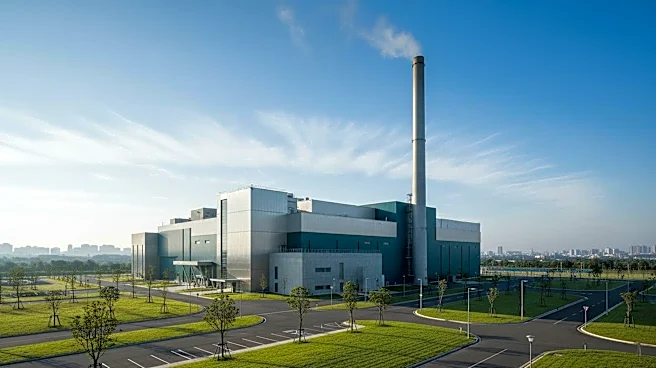
In industrial settings, the production of PHAs involves extracting and purifying the polyester from bacterial cells. This process is achieved through microbial fermentation, where bacteria are cultured in a medium containing sugars, glucose, or vegetable oils. The conditions are optimized to promote the synthesis of PHAs, which are then harvested from the cells.
The industrial production of PHAs has evolved over the years, with companies exploring various methods to reduce costs and increase efficiency. For example, the use of waste materials, such as wastewater, as a carbon source for PHA production is being investigated. This approach not only reduces production costs but also contributes to waste management and environmental sustainability.
Future Prospects and Challenges
The future of PHA production looks promising, with ongoing research focused on improving the efficiency and cost-effectiveness of the process. The development of transgenic crops capable of producing PHAs is one area of interest, offering the potential for large-scale production without relying solely on microbial fermentation.
Despite the potential of PHAs, challenges remain in making them a viable alternative to traditional plastics. The cost of production is still relatively high, and further research is needed to enhance the material properties of PHAs to match those of conventional plastics. However, as technology advances and environmental concerns grow, the demand for sustainable materials like PHAs is expected to increase.
In summary, the biosynthesis and industrial production of PHAs are key components in the development of biodegradable plastics. With continued research and innovation, PHAs have the potential to play a significant role in reducing the environmental impact of plastic waste.