





Intense Pulsed Light (IPL) technology has revolutionized the field of skin treatment, offering a versatile solution for various cosmetic and medical conditions. Unlike lasers, IPL uses broad-spectrum light pulses to target specific skin structures, making it a powerful tool in the hands of practitioners. This article explores the diverse applications and benefits of IPL in skin treatment.
Cosmetic Applications
IPL is widely used in cosmetic treatments, particularly for
hair removal and photorejuvenation. Its ability to target melanin in hair follicles makes it effective in reducing hair growth, especially for darker and thicker hair. The technology applies broad-spectrum light to the skin's surface, which travels to the hair follicles and heats them to destruction, resulting in reduced hair growth.
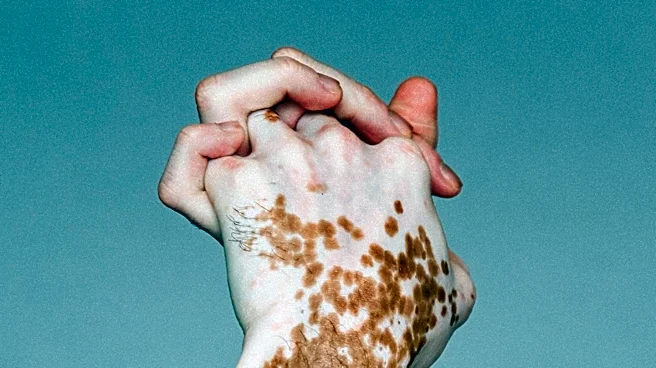
Photorejuvenation is another popular application of IPL, where it is used to treat skin pigmentation, sun damage, and thread veins. By targeting specific chromophores like oxyhemoglobin in blood vessels, IPL can effectively reduce the appearance of these conditions, leading to improved skin texture and tone. The versatility of IPL allows practitioners to address multiple cosmetic concerns with a single device, making it a valuable addition to any cosmetic practice.
Medical Applications
Beyond cosmetic uses, IPL has found applications in medical treatments, particularly in dermatology and ophthalmology. In dermatology, IPL is used to alleviate conditions such as acne by targeting the bacteria and inflammation associated with the disease. Its ability to selectively target chromophores in the skin makes it effective in treating various dermatologic conditions.
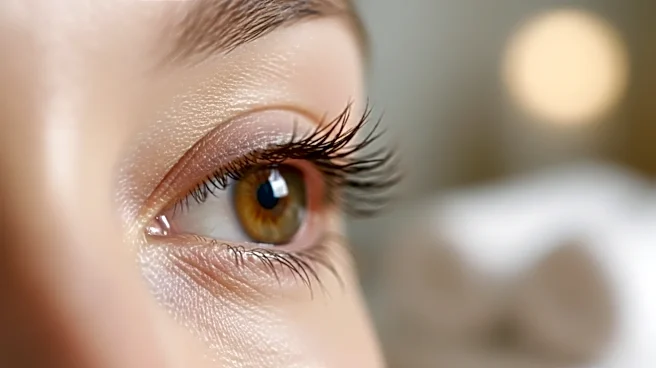
In ophthalmology, IPL is increasingly used to treat evaporative dry eye disease caused by meibomian gland dysfunction. The technology's ability to target specific structures within the eye has made it a promising treatment option for this condition. As IPL continues to gain acceptance in medical fields, its applications are likely to expand further.
Safety and Efficacy
IPL treatments are generally considered safe and effective, with minimal complications. The technology uses cooled lightguides to protect the skin during treatment, reducing the risk of burns or damage. However, complications such as hyperpigmentation can occur, highlighting the importance of proper technique and patient selection.
Regulations governing IPL vary by jurisdiction, with distinctions sometimes made between beauty-grade and medical-grade machines. This regulatory landscape ensures that IPL devices are used safely and effectively, providing patients with reliable treatment outcomes. As IPL technology continues to evolve, its role in skin treatment is likely to grow, offering new possibilities for both cosmetic and medical applications.