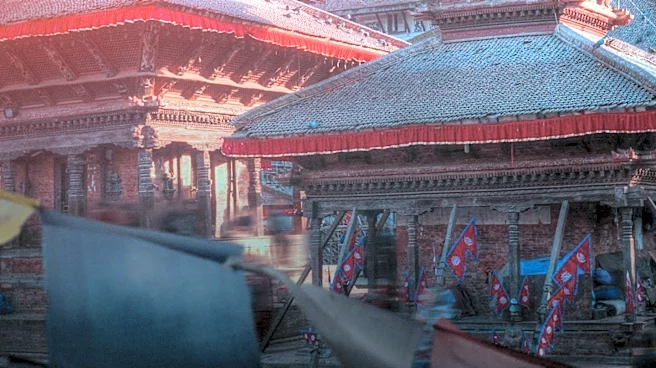






Kathmandu, the capital and largest city of Nepal, has a rich history that spans centuries. Known for its cultural heritage and historical temples, the city has undergone significant transformations over time. From its early days as a municipality to its current status as a metropolitan city, Kathmandu's evolution reflects the broader political and social changes in Nepal.
Early Beginnings and Municipal Formation
Kathmandu was first declared a municipality in 1932, marking the beginning of
its formal governance structure. This was a pivotal moment, as it transitioned from a waste management department to a recognized municipal entity. The appointment of Singha Shumsher Jung Bahadur Rana as the first 'Mayor Man' by the government of Chandra Shumsher set the stage for future developments. In 1947, the first municipal elections were held, further solidifying Kathmandu's status as a city with a structured political framework.
The fall of the Rana regime in 1953 brought about democratic elections, with Janak Man Shrestha becoming the city's first elected mayor. This period marked a shift towards more democratic governance, although it was short-lived due to King Mahendra's coup in 1960, which abolished the mayoral position.
Transition to Metropolitan City
The declaration of Kathmandu as a metropolitan city in 1995 by Mayor Prem Lal Singh was a significant milestone. This change reflected the city's growing importance and its expanding urban landscape. Keshav Sthapit was elected as the first mayor of the metropolitan city in 1997, ushering in a new era of governance and development.
The transition to a metropolitan city status was not just a change in nomenclature; it represented Kathmandu's increasing role as a central hub for government, finance, industry, and culture in Nepal. The city's population and infrastructure grew, accommodating the needs of a modern urban center.
Modern Governance and Current Leadership
In recent years, Kathmandu has continued to evolve under the leadership of various mayors. The current mayor, Balendra Shah, elected in 2022, represents a new generation of leadership. His election reflects the ongoing democratic processes and the city's adaptation to contemporary political dynamics.
Kathmandu's governance is guided by the Local Government Operation Act, 2017, which outlines the powers and functions of local government units. This legal framework ensures that the city can effectively manage its resources and address the needs of its residents.
Overall, Kathmandu's historical evolution is a testament to its resilience and adaptability. From its early days as a municipality to its current status as a thriving metropolitan city, Kathmandu continues to play a vital role in Nepal's cultural and political landscape.